
Affordable Bridal Belts That Elevate Any Wedding Dress
Understanding the impact of a bridal belt
Adding a belt to your wedding day attire is one of the quickest ways to transform your silhouette without needing extensive tailoring. Whether you are aiming for a cinched look or a bit of sparkle, these pieces serve as an effortless addition that can unify your gown. At Poppy Lane Bridal, we believe that feeling confident on your big day starts with accessories that make you feel like your best self.
Defining your waistline
A well-fitted belt creates a focal point at the narrowest part of your torso, naturally drawing the eye inward and creating a balanced shape. Finding the right piece can provide a flattering emphasis, especially if you have opted for a classic A-line or ballgown shape. You should look for options that sit comfortably without digging into your skin throughout the ceremony.
Adding texture to simple gowns
Minimalist dresses are timeless, but they sometimes lack a bit of visual variety that many brides enjoy. By introducing a belt with beads, pearls, or crystals, you add a layer of complexity that keeps the look interesting from every angle. This simple step can turn a plain fabric into a curated design that feels entirely your own.
Creating a cohesive bridal look
When you integrate a belt, it should feel like it was always part of the dress rather than an afterthought. Coordinate the tone of the metal or the color of the ribbon with existing details like your earrings or headpiece. Consistency in fabric choice ensures that your jewelry, veil, and sash all harmonize to result in a stunning, polished wedding day look without overspending.
Choosing the right style for your dress
Matching embellishments to dress lace
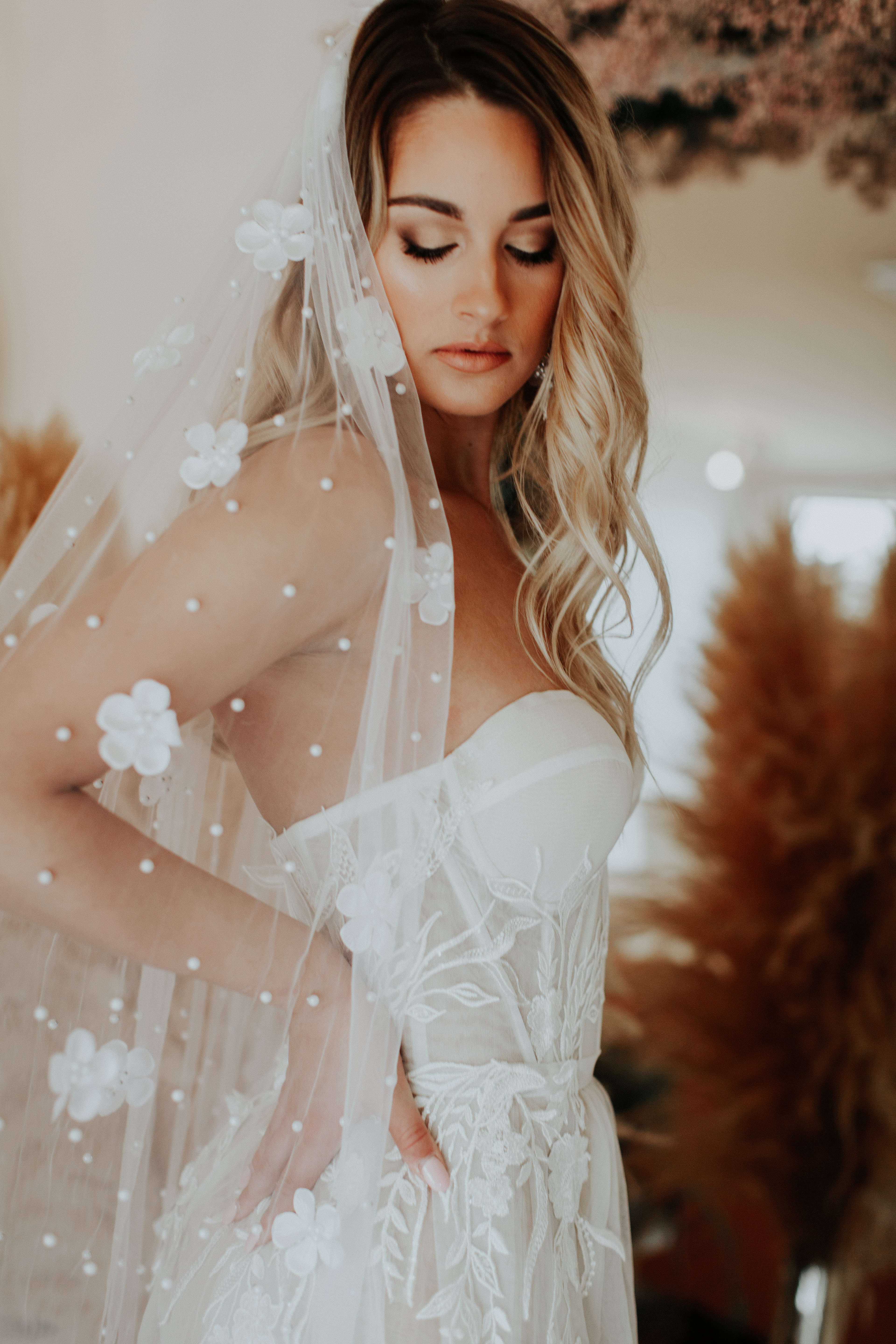
If your gown features heavy floral lace or intricate appliqués, opt for a belt that echoes those motifs rather than one that introduces competing patterns. A belt featuring modest pearls often works well with lace, while crystal designs tend to shine on satin or crepe materials. Aim for a design that frames your waist while letting your dress remain the main attraction.
Balancing fabric weight and belt thickness
Consider the heft of your dress fabric when choosing the width of your belt. Heavy fabrics like mikado or duchesse satin can support a wider, more ornate belt, while airier materials like tulle or organza look better with thinner, delicate options. Matching these proportions preserves the intended movement of your garment and keeps the overall aesthetic balanced.
Selecting between tie-back and clasp closures
Tie-back ribbons offer a softer, romantic finish often seen on the Anya Bridal Belt or the Astrid Bridal Belt, allowing for a custom fit every time. Clasp closures, on the other hand, provide a more seamless, integrated appearance that looks as if it were sewn directly into your gown. Both options are great, but the choice often comes down to whether you prefer a visible bow in the back or a clean, concealed finish.
Navigating affordable options without sacrificing quality
Spotting high-quality rhinestones and crystals
Not all sparkle is created equal, so look for stones that have clear facets and a heavy, weighted feel to them. When inspecting a potential belt, ensure the stones are individually set or securely glued to a fabric backing to prevent them from falling off during wear. Authentic-looking affordable bridal belts should catch the light reliably without appearing plastic or dull.
Prioritizing durable backing and finishing
Check the underside of any belt you consider to ensure there is a soft lining material, typically silk or high-quality organza, against the beads or prongs. This prevents the abrasive back of the ornament from damaging the delicate layers of your dress fabric. A reinforced backing ensures the piece maintains its curvature and stays comfortably in place while you dance.
The benefit of factory-direct pricing
Choosing Poppy Lane Bridal means choosing a brand that understands the need for accessible luxury. By cutting out the middlemen, we provide premium craftsmanship at prices that allow you to allocate your budget towards other wedding priorities. We focus on providing high-quality finishings and secure settings without the traditional boutique price tag.
Styling tips for different wedding themes
Boho-chic sashes for outdoor ceremonies
Outdoor weddings or garden ceremonies call for organic textures like braided ribbon, dried-look florals, or earthy pearls. These styles feel grounded and effortless, perfectly reflecting the beauty of a natural setting. Think about an accessory that uses muted tones or soft fabric finishes like the ones seen when exploring various bridal belt options.
Glamorous crystal belts for grand ballrooms
If your reception is in a formal venue, lean into the drama with heavy, light-catching crystals or intricate metalwork. These bolder pieces command attention and add a sense of luxury that photographs beautifully against grand architecture or dark, moody lighting. You want a belt that holds its own in a grand space while maintaining a sophisticated, modern elegance.
Minimalist options for modern elopements
For a clean, modern aesthetic, choose a slim band accented with a single row of tiny beads or a subtle ribbon detail. Sometimes less is more, and a delicate accessory highlights your overall, clean-lined silhouette without distracting from your features. It is all about choosing a refined, understated piece as you prepare for your elopement style guide day.
| Feature | Benefit | Usage Recommendation |
|---|---|---|
| Ribbon Ties | Perfect for adjustable sizing | Use with A-line styles |
| Clasp Closures | Creates a seamless look | Pair with sleek gowns |
| Crystal Beading | Adds high-end sparkle | Best for formal venues |
We love how a simple belt completely changes the way a dress sits on the frame, and we suggest considering these three key factors for your purchase:
- Ensure the length is at least two inches longer than your waist measurement for tie-backs.
- Verify the width does not overwhelm the natural waist of your specific dress.
- Look for durable, well-stitched backing to protect your wedding gown from snagging.
Following these simple steps ensures that you feel prepared and confident in the final product you choose for your walk down the aisle.
Practical fitting and alteration advice
Properly placing your belt is just as important as the design itself to achieve the desired effect. If you need help visualising this, you can watch this brief guide to styling your look properly.
How to measure your waist correctly
Take a soft measuring tape and wrap it around the smallest part of your torso, which is usually right around the belly button or a bit higher. Make sure the tape is snug but not constricting, as you will want to account for the thickness of the belt when assessing the final fit. Accurate measurements will make it much easier to select a style that sits flush against your body.
Where to position the belt on your dress
Most belts are designed to sit at the natural waistline, where the bodice meets the skirt, to visually define the junction. However, you can experiment with placement if your dress has an empire waist or a dropped waist to see which level looks most proportional on you. A quick session in front of a mirror with your seamstress will confirm the most flattering location for your specific gown.
When to sew the belt onto the gown
We generally recommend only sewing the belt onto the gown during your final fitting stage to ensure that any adjustments to the bodice are fully complete. Having a professional secure it means the belt will not slide or shift during long hours of dancing or movement. Always consult your tailor on whether a permanent attachment or a detachable option better suits your dress's material.
Caring for your bridal accessory
Your bridal belt is a delicate piece of craftsmanship that deserves proper attention to keep it looking perfect, both before and after your big day. By taking a few extra measures, you can preserve the shine and integrity of the metals and fabrics.
Safe storage solutions before the big day
Keep your accessory in a cool, dry place away from direct sunlight, which can fade ribbon fabrics over time. Storing it in a soft, breathable cloth bag prevents dust accumulation while protecting the delicate surface from accidental scratches. If possible, keep the belt flat rather than folded to avoid creating unwanted creases in the fabric or ribbon.
Gentle cleaning methods for metallic components
If you notice fingerprints or slight dulling on your crystal or metallic belt, use a soft, dry microfiber cloth to wipe it gently. Avoid using harsh chemical cleaners, perfumes, or water, as these can strip the plating off the metal or leave residue behind on the delicate base. A light buffing is usually all that is needed to bring back the original luster.
Preventing snagging on delicate bridal fabrics
When wearing the belt, be mindful of the decorative edges if you are wearing a gown made of lace, tulle, or chiffon. Once the belt is secured, double-check that no loose threads or prongs are projecting outward in a way that could catch the gown's fabric. This simple precaution helps you move freely throughout your wedding day without worrying about damaging your beautiful bridal clothing.
Conclusion
Selecting the right belt for your dress is a beautiful way to personalize your look while keeping your budget in balance. By focusing on quality craftsmanship, thoughtful placement, and proper care, you ensure that your accessory remains a cherished part of your wedding day ensemble. Whether you choose a minimalist band or a crystal-encrusted piece, the confidence you feel while wearing it is truly the best final touch.
Frequently Asked Questions
Can I wear a bridal belt with any wedding dress style?
Almost any gown can benefit from a belt, but it is important to find one that matches the weight and texture of your fabric to ensure a balanced look.
How wide should my bridal belt be?
Width is somewhat subjective, but a good rule of thumb is to choose a wider belt for heavier structured dresses and a thinner, more delicate piece for flowy or airy fabric gowns.
Is it better to sew the belt on or use a ribbon?
Sewing is often more secure and provides a seamless look, while ribbon ties allow for easy adjustments throughout the day should you need a little more comfort.
How do I stop the belt from snagging on my dress?
Ensure that the belt has a high-quality backing that covers the prongs or stitching, and always handle the delicate fabric of your gown carefully when placing the belt.
Should the belt match my jewelry exactly?
While a perfectly matched set is elegant, it is not strictly required; you can mix metals if the styles are consistent, though keeping the tones similar often creates a more cohesive appearance.
Can I use a bridal belt as a headpiece?
Many brides repurpose their belts as headbands or even sashes for their flower girls after the wedding day, depending on the length and flexibility of the piece.
What is the best way to travel with my bridal belt?
Place the belt in a padded, breathable garment bag or wrap it in acid-free tissue paper inside a rigid box to prevent it from being crushed during transit.