
Affordable Wedding Veils That Look Designer-Made
Understanding bridal veil styles
Finding the right veil is all about harmony. You want something that complements your personality and your dress without competing for attention, keeping your look cohesive and elegant.
Identifying classic versus modern cuts
Classic veils often feature clean lines and traditional materials like soft tulle or silk organza. These styles tend to focus on timeless silhouettes that bridge the gap between tradition and contemporary style, especially when you choose Poppy Lane Bridal for your accessories. Modern cuts, on the other hand, might experiment with angular shapes or unconventional layering for a more fashion-forward appearance.
Balancing length with your gown silhouette
Length is one of the most significant factors in how a veil sits with your dress. A fingertip-length veil usually highlights the waist, whereas a cathedral-length adds drama by following the train of your gown. Finding the balance depends entirely on the weight of the fabric and the fullness of the skirt.
Choosing the right edge finish for your look
An edge finish acts like a frame for your face and your gown's neckline. Whether it is a raw edge for a clean, minimalist feel or a delicate lace border, the finish dictates the overall vibe of your accessory. You can see how subtle touches transform classic styles into unique pieces with options like the Corine Cathedral Veil which features exquisite detail to the comb.
Spotting premium materials on a budget
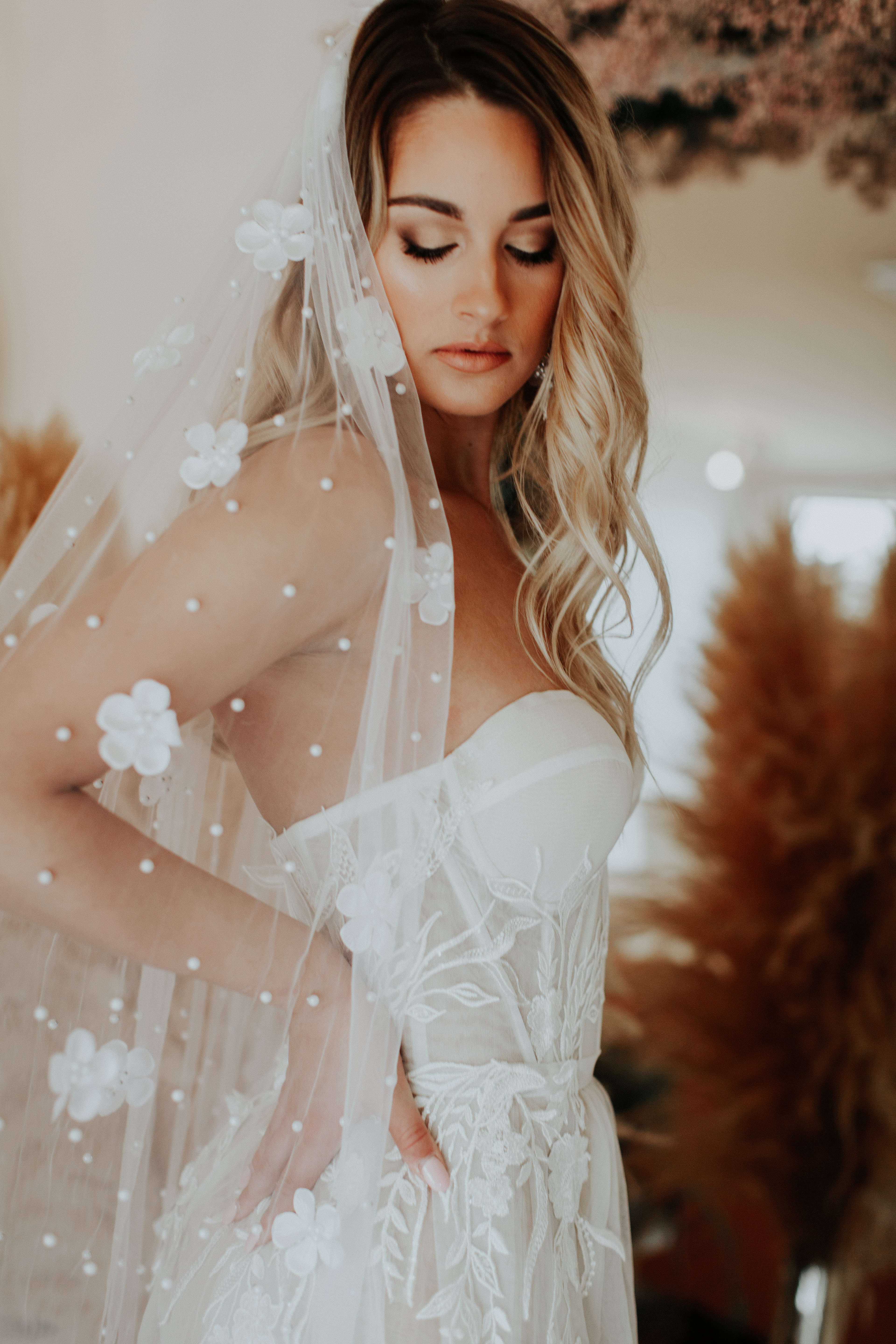
High-quality bridal accessories do not have to come with a heavy boutique price tag attached. By understanding how to evaluate fabric density and finish, you can find pieces that look and feel luxurious while remaining smart with your spending.
Tulle quality and texture variations
Not all tulle is created equal, as density and softness vary wildly between manufacturers. Fine, high-quality netting should feel airy and flowy when it moves, rather than stiff or plasticky. When shopping for affordable wedding veils, look for descriptions mentioning soft-to-the-touch fabrics that drape naturally.
Synthetic versus natural lace appliqués
Natural lace can be incredibly expensive, but synthetic alternatives have evolved to look nearly identical in photographs and at a distance. Modern production methods allow for intricate patterns that mimic the delicacy of vintage lace at a fraction of the cost. Many brides now prefer the durability and accessibility of these modern synthetic appliqués.
How weight and drape define luxury
How a piece moves in the wind or rests against your shoulders tells you more about its quality than any label can. You can assess these factors through a simple comparison table that evaluates common bridal veil materials based on their physical characteristics:
| Material | Weight | Drape | Best Use Case |
|---|---|---|---|
| Soft Tulle | Light | Excellent | Ethereal looks |
| Bridal Illusion | Medium | Moderate | Volume support |
| Silk Organza | Heavy | Structured | Formal gowns |
These characteristics determine how a veil interacts with the rest of your ensemble during your ceremony and photos. Selecting the right base material ensures your veil complements your gown perfectly.
Navigating the direct-to-consumer bridal market
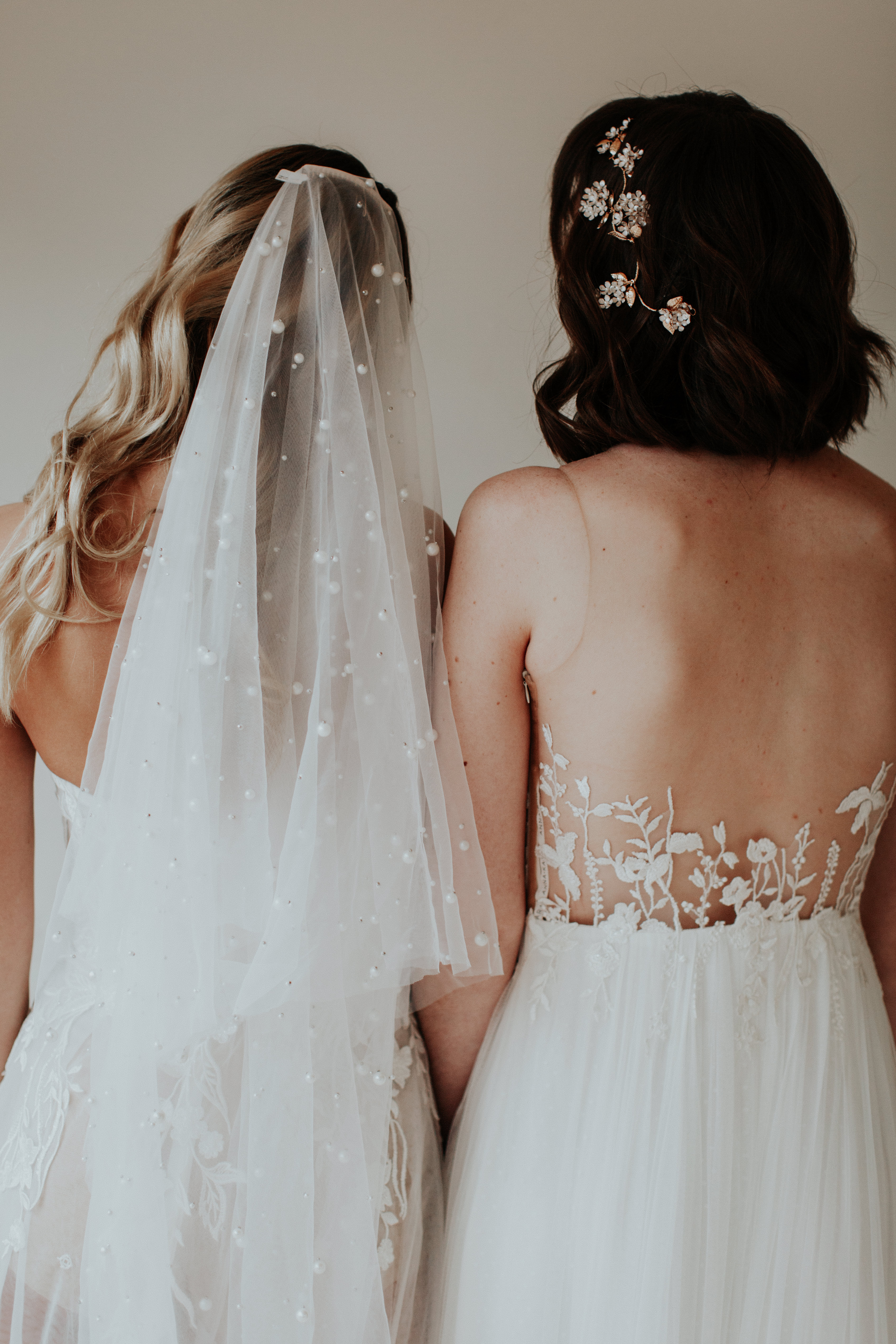
Shopping factory-direct is one of the best ways to keep your bridal budget on track. By cutting out physical boutiques and massive supply chain markups, brands like Poppy Lane are able to provide high-quality items at transparent prices.
Why factory-direct pricing cuts overhead costs
Traditional retail models include costs for storage, commissions, and showroom maintenance that aren't related to the quality of the item itself. When you work directly with a manufacturer, you are paying for the materials and craftsmanship, not expensive storefront operations. This factory-direct business model allows for significant savings without sacrificing the essential elements that make a veil look designer-made.
Avoiding the traditional retail markup trap
Retail markups are often built into the price to cover the expensive nature of physical bridal shops. Choosing to bypass these boutiques means you are avoiding unnecessary expenses while still accessing the same high-tier materials found elsewhere. This perspective helps you focus on what really matters—finding a piece that matches your style.
Decoding honest online product descriptions
When browsing online, pay close attention to descriptive details about length, tier counts, and edge finishes. Honest brands clarify the exact material content and provide clear photos that show how the product hangs. If you want to see how these styles compare to other industry options, checking out resources like Ruffled Rose Veils can serve as a helpful background for understanding market standards.
Incorporating designer-inspired details
Adding small, refined details is often what nudges a veil from looking standard to looking truly designer-made. These touches add character and ensure your photos capture every bit of the romantic design you envisioned.
Adding delicate embroidery or hand-placed beading
Embroidery brings texture into your bridal look, while sparse hand-placed beading provides a light-catching shimmer as you walk. Even subtle additions, like a small amount of scattered lace, can make a significant difference in how the veil interacts with the light during your ceremony.
Selecting timeless floral pattern motifs
Floral motifs are a classic nod to bridal tradition that never goes out of style, providing a soft romanticism to almost any silhouette. Opting for designs that feature consistent, clean repeating floral patterns ensures your look stays streamlined. Many brides find that these natural-inspired details pair beautifully with modern, minimalist dresses.
Enhancing simplicity with subtle scalloped edges
Scalloped edges provide a gentle finish that avoids the harshness of a straight, sharp cut. These edges follow the curve of the lace or material, framing the veil's bottom tier with softness. It is one of the easiest ways to ensure your accessories have that elevated, curated feeling without overcomplicating your ensemble.
Essential tips for accessorizing like a pro
Accessorizing is an art, and the right approach makes all the difference in your comfort and your overall aesthetic. It is helpful to consider these steps to ensure your veil feels like an extension of your own style rather than an afterthought.
Matching your veil to your bridal hairstyle
Your hairstyle dictates where the veil should be placed, whether you are wearing your hair up or down. A high bun offers a sturdy base for a cathedral veil, while a lower placement near the nape of the neck is perfect for showcasing romantic waves. Consider these key factors before final styling:
- Ensure your stylist uses heavy-duty bobby pins to keep the comb secure all day.
- Verify the weight of the headpiece matches your hair type for stability.
- Keep the veil length in mind so it doesn't get tangled during hair changes.
- Practice wearing your hair with the accessory before your wedding day arrives.
Following these simple steps keeps you feeling secure and comfortable from your first look until the final dance.
Understanding how to secure the veil comfortably
Comfort is just as important as aesthetics because your veil serves you for several hours of photos and ceremonies. Using a high-quality comb ensures the placement remains secure throughout the event without causing any discomfort. Most brides find that a properly placed comb is almost imperceptible throughout the evening.
Coordinating veil color with your specific dress shade
Color matching can feel intimidating, but it is actually quite straightforward if you look at your dress in natural sunlight. Ivory and off-white tones can vary significantly across different designers, so checking for undertones—whether creamy, pale, or warm—is vital for a seamless match. Brands like Calily Bridal often offer guides or advice to ensure the tones align perfectly with your gown.
Conclusion
Finding affordable wedding veils that still look designer-made is entirely possible when you shop smart and prioritize quality materials over brand prestige. By understanding classic silhouettes, identifying premium fabrics, and bypassing unnecessary retail markups, you can curate a bridal look that feels entirely authentic and elevated. Trust your style, focus on the details that speak to you, and embrace the joy of creating a look that is truly and uniquely yours.
Frequently Asked Questions
How does the length of a veil affect how it looks in photos?
Longer veils create dramatic, ethereal silhouettes perfect for grand entrances, while shorter lengths keep the focus on you and your gown's intricate details. The choice depends on the scale of your venue and the overall tone of your photography.
Can I wear a veil with a very ornate wedding dress?
Yes, provided you find the right balance. Minimalist, sheer veils often complement highly detailed gowns, while elaborate veils work best with simpler, streamlined dresses to avoid competing patterns.
Is it common for veils to need steaming before the ceremony?
Most veils arrive safely packaged and might have minor wrinkles from transit. A gentle steam or hanging your veil in the bathroom during a hot shower is usually enough to release any creases before your big day.
Should I match my veil color exactly to my dress?
Ideally, yes, as slight color deviations can become visible in professional photographs. Always try to match the base color of the tulle as closely as possible to the shade of your gown, paying attention to warm or cool undertones.
What is the advantage of a two-tier veil versus a single tier?
Two-tier veils offer more volume and a classic blush-back look, providing a fuller silhouette. A single-tier veil is lighter, more modern, and often highlights a beautiful open back or intricate gown detailing.
Can I safely store my veil after the wedding?
Absolutely, keeping it in a breathable garment bag in a cool, dark place is best. Avoiding plastic storage ensures the fabric stays pristine and free from yellowing over the years.
Does the weight of the embellishments on a veil matter?
Yes, heavy beading or thick lace can cause a veil to pull on your hair or sag awkwardly if not placed correctly. Always ensure the material remains light enough to move elegantly without requiring excessive pinning.