
Bridal Belts and Sashes: How to Define Your Wedding Silhouette
The role of bridal belts in silhouette design
Choosing the right accessory can redefine your entire bridal look. We believe that bridal belt styling is less about restrictive rules and more about finding that perfect bridge between your gown and your personal sense of style.
Emphasizing the natural waistline
Your natural waist is often the narrowest point of your torso, and a well-placed belt acts as a visual anchor. By drawing the eye inward, you create a distinct break between your bodice and skirt, which helps to define your frame instantly. We often see brides use this technique to turn two separates into a cohesive, intentional-looking ensemble that feels entirely pulled together.
Creating an hourglass effect
To achieve a balanced look, you can follow a few simple guidelines that help accentuate your natural curves. When selecting an accessory, consider these factors for the best result:
- Opt for a tapered design that follows the natural curve of your waist.
- Ensure the belt features enough vertical detail to ground the figure.
- Align the belt color with the dress fabric to avoid breaking up the silhouette too sharply.
Applying these principles helps you craft a look that feels both purposeful and flattering throughout your ceremony and reception.
Balancing voluminous skirts
When you wear a ballgown or a skirt with heavy layers, a belt provides a necessary visual counterweight. Without an accent, a large skirt can sometimes overwhelm your frame, making the bodice look like it is floating.
A belt cinches the volume, ensuring your figure remains the focal point of the outfit rather than the fabric. This is a common trick used in bridal jewelry and accessory design to ensure that even the most dramatic gowns maintain a human-centric proportion.
Adding structure to simple gown designs
For minimalist gowns that rely on clean lines and high-quality fabrics, a belt introduces a layer of deliberate ornamentation. You can compare how different waist accents change the personality of a dress in the table below.
| Belt Type | Typical Width | Best For |
|---|---|---|
| Beaded Band | 0.5 inches | Sheath Gowns |
| Ribbon Sash | 1.5 inches | A-Line Dresses |
| Embellished Wrap | 1.0 inches | Crepe Fabrics |
This simple addition transforms a plain, modern design into something with texture, allowing you to showcase personality without sacrificing a clean, sophisticated aesthetic.
Understanding the styles: belts vs. sashes
Navigating the different types of waist accents can feel overwhelming, but it really comes down to your personal comfort level and the gown you have already selected. We find that the structural difference between a stiff belt and a soft, flowing sash changes how the garment interacts with your body as you move.
Features of rigid beaded belts
Rigid belts usually feature a structured backing that helps the embellishments hold their shape against the fabric of your gown. This stability ensures that the crystals or beads sit flat against the waist, preventing any sagging that could happen with heavier ornaments. Because these pieces are designed to have a fixed shape, they provide a very polished look that remains consistent from the start of the ceremony to the final dance.
Characteristics of satin and ribbon sashes
Satin and ribbon sashes offer a softer, more romantic appeal that blends seamlessly with the movement of your dress. These pieces are often favored by brides who want a touch of elegance that feels delicate rather than heavy. You will often see these sashes used with wedding dress belts that have a classic bow tie, which adds a lovely, understated charm to the back profile of the ensemble.
Choosing between clasp and tie-back closures
Deciding how your accessory secures is a matter of both function and aesthetic preference. A clasp closure offers a clean, hardware-focused look that stays perfectly centered, while a tie-back closure allows for a bit more flexibility in how the belt is fitted to your specific measurement. Many of our favorite designs, including those from Poppy Lane, focus on secure closures that prevent the need for constant adjusting.
Matching hardware finishes to fine jewelry
Your belt’s hardware should generally echo the metals found in your earrings, necklaces, or headpieces to maintain a cohesive look. While mixing metals has become more popular in modern fashion, keeping your silver or gold tones consistent from your fingers to your waist provides a sense of intentional harmony in your wedding photographs.
Essential tips for effective bridal belt styling
Styling is where your personality truly shines through, so do not be afraid to experiment with placement until you find what makes you feel confident. It is often the most overlooked detail of wedding styling because couples focus so much on the dress that they forget the power of small accents.
Selecting the optimal width for your frame
Choosing the right width is essential to ensuring your belt enhances your figure rather than cutting it in half. For petite frames, we suggest narrower styles that provide a touch of sparkle without dominating the waist; for taller figures, a slightly wider belt can provide the perfect amount of balance and structure.
Coordinating belt embellishments with gown lace
If your gown features intricate lace, try to match the scale of the belt’s beadwork to the pattern of the lace. A gown with large, floral lace appliques usually pairs beautifully with a statement belt, whereas a minimalist lace bodice is better served by a delicate bridal belt that accentuates rather than competes with the textures.
Using styling to break up monochromatic looks
If you are wearing an all-white or all-ivory ensemble, a belt serves as a perfect textural break that separates the bodice from the skirt. By utilizing a piece with pearls or crystals, you add depth to the look, ensuring that the waistline remains visually distinct, which is particularly helpful for capture by photographers during your portraits.
Positioning the piece for maximum comfort
Your belt should sit at the narrowest part of your torso, regardless of where the gown seam hits on the dress. Taking the time to adjust the belt so it matches your unique anatomy ensures you leave enough room to breathe, laugh, and eat without feeling constricted during your celebration.
Matching accessories to your dress fabric
Fabric plays a huge role in how accessories rest on your gown, so always consider the weight and texture of your material before making a final choice. The way silk, tulle, and crepe react to a heavy belt can differ drastically, and a quick test will save you stress on the day of the event.
Pairing delicate embellishments with tulle and organza
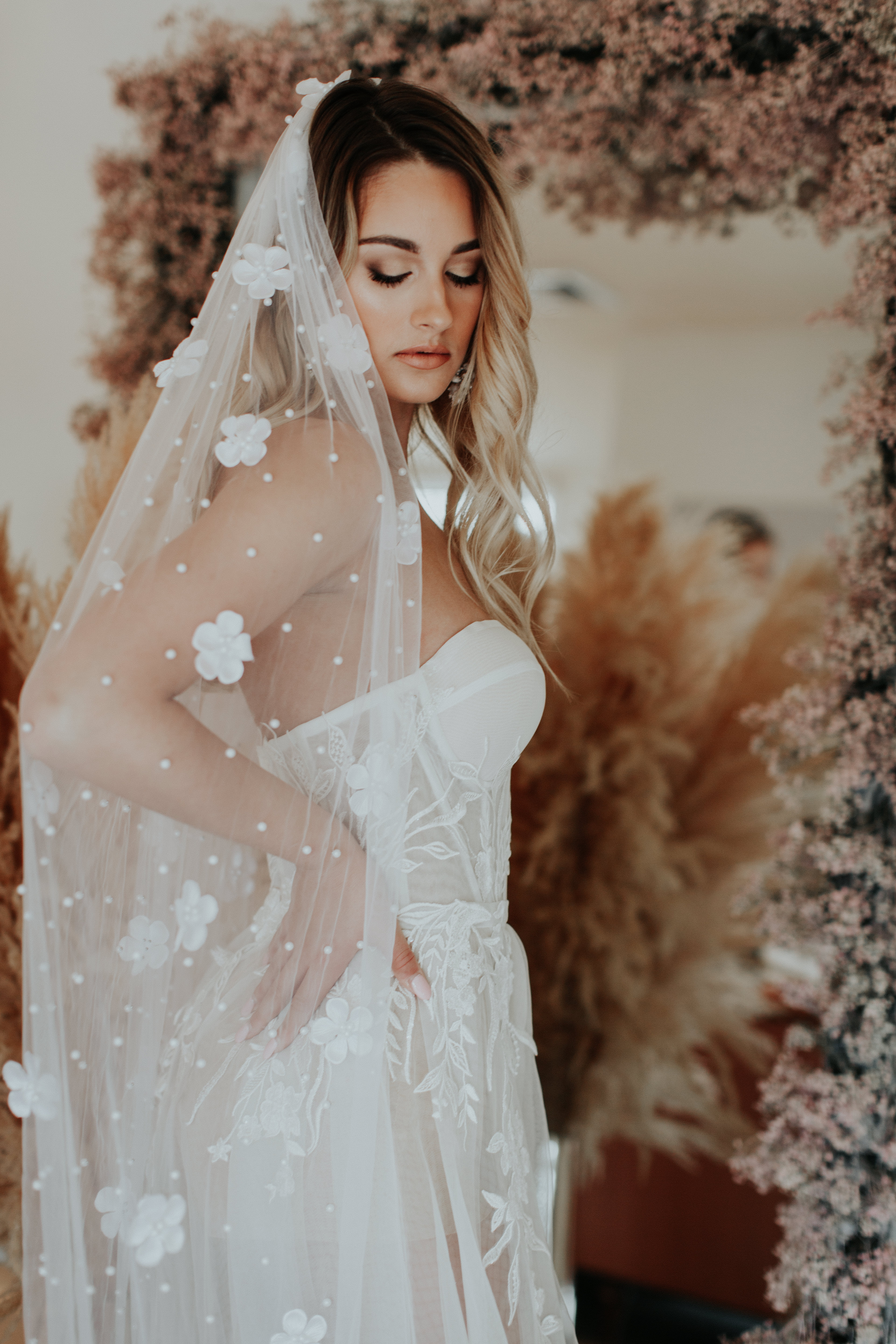
Because tulle and organza are airy, transparent fabrics, you need a belt that offers support without pulling too hard on the delicate netting. Lightweight options like the Astrid Bridal Belt work well here because they provide beautiful detail without adding unnecessary weight that might cause the dress seams to sag.
Selecting statement pieces for heavy crepe or satin
Crepe and satin are unforgiving when it comes to tension, so you should seek out belts with a smooth, soft-backed finish. Heavy pieces can sometimes pinch the fabric, so look for items that are designed with a high-quality backing that distributed weight evenly across the waistline for a seamless finish.
Considerations for beaded or textured bodice gowns
With a gown that is already heavily beaded, layering another belt can be tricky and may look cluttered. Instead of adding a completely different belt, consider using a simple ribbon to define the waist or opt for a bridals belts that matches the bead density of the dress, ensuring the transition looks intentional.
Complementing minimalist modern silhouettes
Modern silhouettes thrive on simplicity, meaning a single, impactful Amara Bridal Belt can be all you need to elevate a basic gown. Focus on pieces with high-clarity crystals or a single shade of pearl to keep the look clean, architectural, and undeniably chic for your modern celebration.
Incorporating belts into different wedding themes
Your wedding theme provides the perfect context for choosing an accessory that ties the entire visual experience together. We find that the right belt functions as a piece of curated décor, enhancing the atmosphere whether you are hosting a formal ballroom event or an intimate garden gathering.
Choosing bohemian-inspired wraps and florals
Bohemian weddings are all about textures and natural aesthetics, so look for belts that incorporate floral-like bead patterns or softer linen-based ribbons. These pieces feel organic, relaxed, and perfectly in line with a whimsical, flowy gown silhouette.
Opting for glamorous crystal designs for luxe weddings
For a black-tie or glamorous event, high-shine crystals and metallic finishes are your best friends. These designs catch the ambient light of a ballroom or a candlelit venue, adding a level of brilliance that matches the formality of the occasion perfectly.
Minimalist styling for city hall or elopement dresses
When keep-it-simple is the goal, choose belts that offer subtle shimmer rather than bold patterns. A thin Ainsley Bridal Belt can provide the perfect finishing flourish without ever feeling overdone, keeping your look effortless for those special, smaller-scale weddings.
Adding vintage flair with romantic ribbons
Vintage-inspired looks rely on softness, so consider belts with wider, satin-finish silk ribbons that tie into a large, elegant bow in the back. This style brings a sense of nostalgia to your look that is both timeless and deeply romantic for any era-themed celebration.
Practical advice for a perfect fit and secure wear
Your belt should fit snugly enough to stay in place, but not so tight that it changes the shape of your gown. Comfort is key to enjoying your reception, so keep these practical tips in mind as you get closer to your big day.
Measuring your waist for accurate sizing
Use a soft measuring tape and measure around your natural waist, where the dress hits you, rather than where your true waist might fall in daily wear. This ensures you buy the right length so the closure or tieback hits comfortably where you need it.
Ensuring color harmony with your dress shade
It is common for shades of white to vary, so if you are ordering online, consider how the belt will look against your specific fabric. We recommend sticking to ivory tones for most gowns, as they tend to be more forgiving than stark white, which can sometimes appear blue or grey in photos.
Preventing slippage during the reception
If you find your belt moves too much, you can ask a seamstress to add tiny, discreet thread loops at your side seams. This keeps the belt locked in place while the ribbon tie remains hidden, allowing you to dance and move freely without worrying about the accessory migrating upward.
Adjusting placement to accommodate movement
Regardless of your dress shape, ensure the belt does not restrict your ability to sit or move comfortably during dinner. Take a "sit test" while trying on your dress to see if the belt digs in, and adjust the tightness of your ribbon or closure to suit your comfort while standing and sitting for long periods.
Conclusion
Bridal belts are a wonderfully simple yet effective way to personalize your ensemble, offering a quick way to define your silhouette and add a unique touch of sparkle. Whether you prefer a delicate ribbon tie or a structured beaded piece, the most important aspect of choosing your accessory is that it makes you feel confident and comfortable. By following these practical tips for securing your belt and selecting a width that complements your gown, you can easily turn your wedding look into something entirely your own while maintaining a stylish, effortless, and polished appearance.
Frequently Asked Questions
Can I wear a bridal belt with a fully beaded dress?
Yes, it is possible, but usually, it is better to opt for a very sleek, thin belt that adds a subtle touch of elegance without competing with the existing beading of your gown.
How tightly should my belt fit?
Your belt should be secure enough to stay in place without shifting, but it should not be so tight that it causes the fabric of the dress to bunch or creates visible discomfort when sitting.
Do I need to wear a belt with every wedding dress?
Absolutely not; bridal belts are an accessory option. While they are great for adding structure or defining a waist, many gowns are designed to look perfect on their own without additional accents.
Can I use a belt to cover up raw dress seams?
Yes, using a belt to obscure a seam where a bodice meets a skirt is a classic styling trick that makes the transition between the two pieces look seamless and intentional.
Will a heavy crystal belt cause my dress fabric to sag?
If your gown is made of a very light fabric like tulle or organza, a heavy belt could pull on the material, so it is often better to choose a lighter, flexible option or have a seamstress add internal support.
How can I make sure my belt stays in place during the reception?
If you are worried about your belt moving during the ceremony or reception, consider having your tailor sew small, discreet loops into the side seams of your gown to thread your belt through.
Should the belt color match my dress exactly?
While an exact match is ideal, a slight difference in tone is often invisible in photos. The most important thing is that the belt complements the overall warmth or cool tone of your gown fabric.