
How to Store Your Bridal Accessories After the Wedding
Key Takeaways
A little care after the wedding can help your veil, jewelry, shoes, and other accessories stay beautiful for years.
- Gather every accessory and inspect it before packing.
- Clean and dry pieces according to their materials.
- Use acid-free tissue, archival boxes, and breathable fabric pouches.
- Store delicate accessories somewhere cool, dry, and away from sunlight.
- Label each box and check your keepsakes once or twice a year.
Start by sorting and preparing everything
The first step in learning how to store bridal accessories is knowing exactly what you have. Set aside an afternoon, make a little space on the table, and bring together the pieces from your getting-ready room, venue, dress bag, and emergency kit. Once everything is visible, the process feels much less overwhelming.
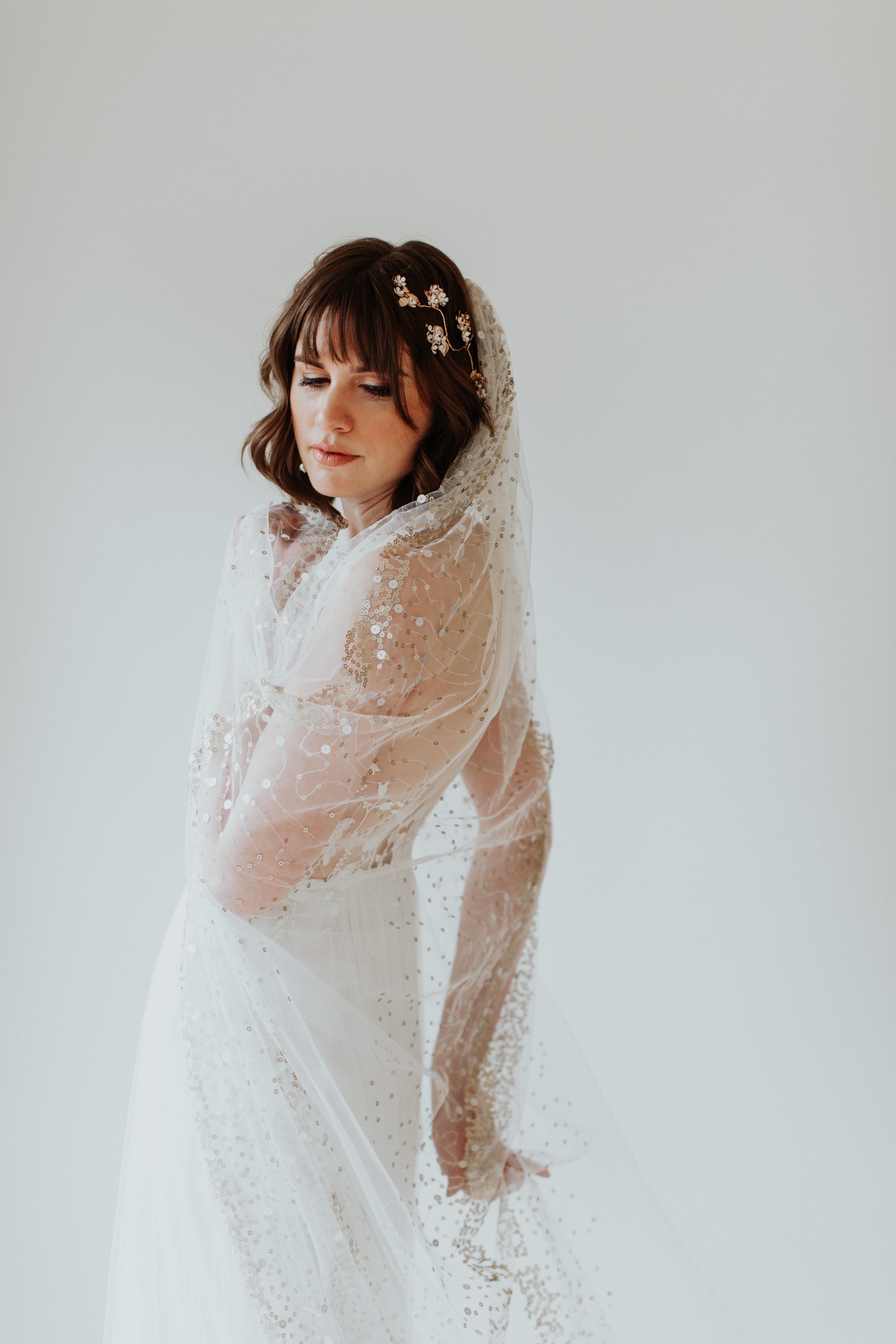
Gather every accessory from the wedding day
Look beyond the obvious veil and earrings. Check coat closets, overnight bags, makeup cases, and the pockets of your getting-ready robe for pins, belts, gloves, garters, or spare jewelry. A simple inventory makes it easier to keep matching pieces together and prevents small treasures from disappearing.
If you are still thinking about the styling choices you made, wedding accessorizing ideas can help you remember how each piece worked with your dress and hairstyle. That context may also make it easier to decide what deserves a special box.
Check each piece for makeup, perfume, sweat, or dirt
Inspect every accessory under good light before you put it away. Foundation around an earring, perfume on a veil, perspiration on a belt, or outdoor dust on shoes can become harder to remove over time. Clean before storing is the kindest rule here, but avoid rubbing a mark aggressively if the material is fragile.
Use a clean, dry cloth for sturdy surfaces and ask a professional cleaner about heavily marked fabric or embellished pieces. Do not put anything away while it still feels damp.
Follow the care instructions for delicate materials
Read the original care label or product instructions before using water, soap, steam, or a cleaning solution. Pearls, plated metals, silk, satin, lace, and beaded tulle can all react differently, so a method that is fine for one accessory may damage another. When in doubt, leave specialized cleaning to someone who regularly handles bridal garments.
Keep notes about what was cleaned and how. That small record can save you from guessing later, especially if you plan to wear the piece again.
Decide what to keep, repurpose, gift, or sell
Not every accessory needs the same level of storage. Keep sentimental pieces together, set aside versatile items you might wear again, and make a separate pile for gifts or resale. Being honest about what you will actually use keeps your storage calm and intentional.
A piece that no longer suits your style may still be meaningful to someone else. Photograph it before passing it on, and keep a short note about where it came from if the story matters to you.
Choose storage supplies that protect your accessories
Good storage materials do more than make a box look tidy. They reduce rubbing, support delicate shapes, and help keep fabric from sitting against potentially damaging surfaces. You do not need an elaborate preservation chest; a few carefully chosen supplies can do the job beautifully.
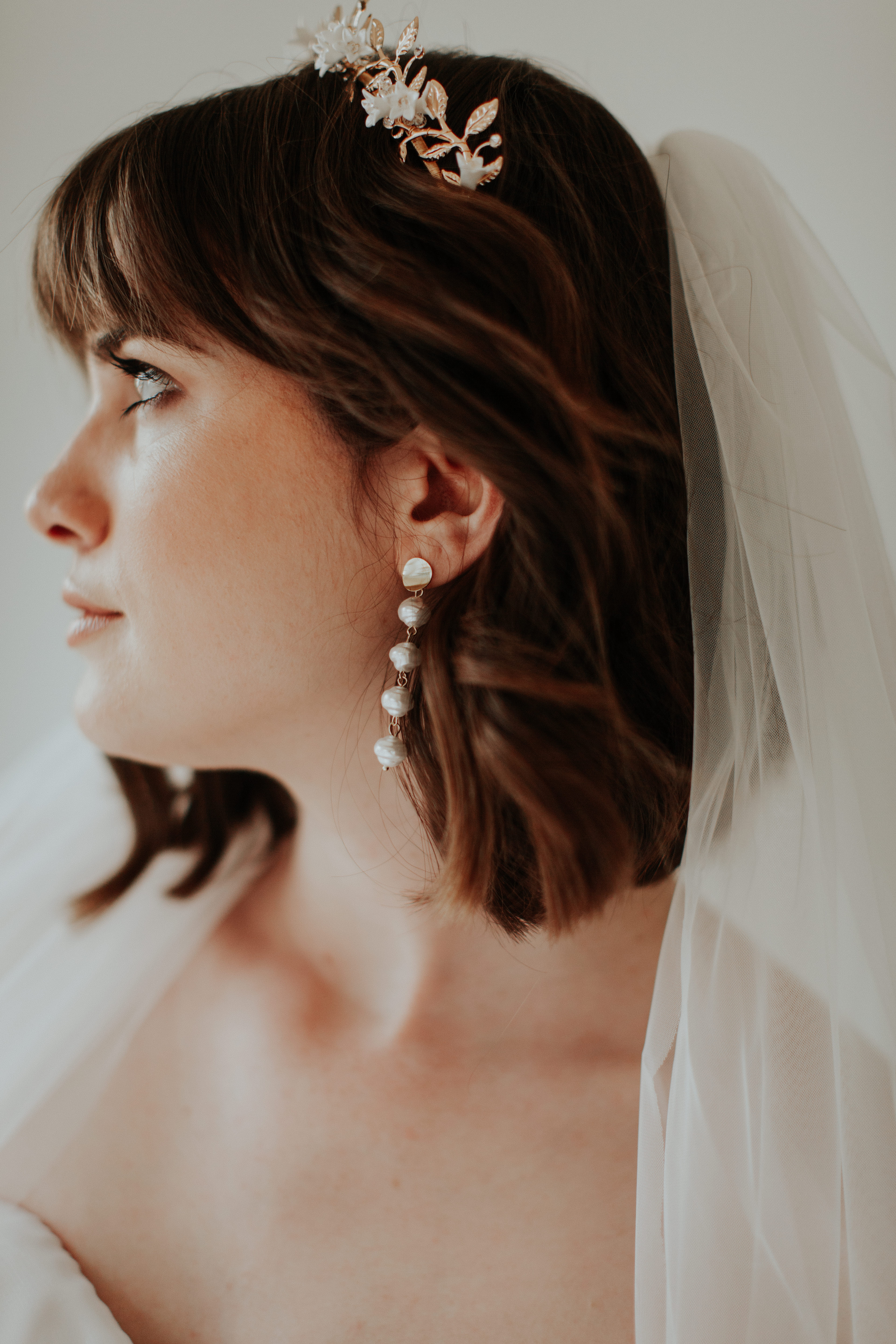
Use acid-free tissue paper and archival boxes
Acid-free tissue paper is useful for wrapping, separating, and gently filling accessories without pressing on embellishments. Choose sturdy archival boxes that are large enough for the item, rather than forcing everything into one crowded container. Tissue can also cushion shoes, support a handbag, and create soft layers between jewelry pieces.
When you shop for new pieces or replacements, shop bridal accessories with storage in mind too. A versatile veil or hair accessory is easier to keep when you already know where it will live after the celebration.
Pick breathable fabric bags for delicate pieces
Soft cotton or other breathable fabric pouches work well for individual jewelry, hairpieces, belts, gloves, and garters. Separate bags help prevent scratches and keep metal details from catching on lace or tulle. Choose bags that are clean, colorfast, and not so tight that they compress the item.
For small accessories, group pieces by type or by the look they created together. That way, you are not rummaging through one large pouch when you want to find a particular pair of earrings.
Avoid plastic bags and cardboard that can trap moisture
Plastic can hold moisture close to fabric and metal, while ordinary cardboard may contain materials that are not ideal for long-term contact. Neither is a great choice for a veil, pearls, or embellished hairpiece in a closet with changing humidity. If an item arrives in plastic, remove it once the piece is completely dry.
Use a breathable inner wrap and a protective archival box instead. A little airflow is preferable to sealing a trace of dampness inside with your keepsakes.
Add labels so everything is easy to find later
Write a clear label on each box, using both the accessory and the occasion. For example, “ceremony veil and comb” is more useful than “wedding things.” You can also add a small list inside with the contents, cleaning date, and any care reminders.
A simple system might include these categories:
- Veil and ceremony accessories
- Jewelry and hairpieces
- Shoes and handbag
- Gloves, garter, and belt
This keeps unpacking quick and helps anyone else in your household handle the pieces carefully. Add a photo of the contents if the box is opaque.
Store your veil without creating permanent creases
Veils are wonderfully light, but that also makes them easy to crush, snag, or crease. Before packing yours away, take a moment to look over the entire length, including the comb, edging, lace, pearls, and other details. The goal is to let the fabric rest without forcing it into a small shape.
Clean and fully dry the veil before packing it away
Never store a veil while it is damp from cleaning, steam, rain, or a humid dressing room. Lay it flat or hang it in a clean area according to its care instructions, and wait until every layer is dry. If it has makeup, grass, or food marks, ask a bridal cleaner about treatment rather than experimenting on the tulle.
Handle the veil with clean hands once it is ready. Oils from your fingers can transfer easily to pale fabric, especially when you are folding a long train.
Fold the fabric gently around acid-free tissue
Place sheets of acid-free tissue between folds so the fabric does not sit tightly against itself. Fold along natural, broad lines and avoid pressing down with your hands. If the veil has lace or raised embellishments, cushion those areas especially carefully.
Work slowly from one end to the other. A second person can help support a cathedral-length veil, but do not drag it across the floor or let the edge catch on furniture.
Use a large box instead of tightly compressing the veil
A wide, shallow archival box is usually kinder than a small container that forces the veil into sharp folds. Arrange the tissue-wrapped veil with room around the edges, then add a light layer of tissue on top. The lid should close without pressing down on the fabric.
Check the box after closing it. If you feel resistance or see the veil pushing against the lid, choose a larger container rather than trying to make the piece fit.
Hang the veil only when the fabric and embellishments allow it
Hanging can work for some plain, sturdy veils, but it is not right for every construction. Heavy beading, delicate lace, or a fragile comb may pull on the fabric over time. Follow the maker’s care guidance, and use a padded hanger or a fabric cover if hanging is approved.
For many embellished veils, flat storage is the gentler option. Keep the box somewhere you will not need to move often so the contents stay settled.
Keep bridal jewelry and hairpieces safe
Tiny accessories often carry a lot of the look, and they are also the easiest to misplace. Jewelry can scratch itself, while combs and tiaras can snag nearby fabric if they are tossed together. Give every piece its own small space, even if the overall storage box is shared.
.jpg)
Store jewelry pieces separately to prevent scratches
Place earrings, necklaces, bracelets, and rings in separate soft pouches or compartments. Close clasps where possible, but do not force them if the mechanism is delicate. Keep sharp posts, prongs, and chains away from pearls, satin, and lace.
If you layered several pieces for the wedding, photograph the arrangement before separating them. The image can remind you which accessories belonged together without requiring you to store them in contact.
Protect pearls, crystals, and plated metals from moisture
Moisture, perfume, lotions, and hairspray can affect delicate finishes. Make sure jewelry is clean and dry, then store it away from bathrooms, humid closets, and direct heat. Pearls are especially worth handling gently, since their surfaces can be more vulnerable than hard gemstones.
For future wear, let perfume and hair products dry before putting on jewelry. That small habit can help reduce buildup between cleanings.
Wrap combs, pins, and tiaras in soft, lint-free fabric
Use a clean, lint-free cloth or individual fabric pouch for each structured hairpiece. Support tiaras so they do not bear weight on their most delicate points, and protect comb teeth from bending. Pins can go in a small labeled envelope or pouch, provided the packaging does not shed fibers.
If you want help choosing a headpiece that suits your hairstyle and can be stored easily, this bridal headpiece guide is a useful place to start. The best choice is one you can handle comfortably before, during, and after the wedding.
Prevent delicate details from snagging on other accessories
Before closing the box, check for loose threads, exposed hooks, and sharp edges. Wrap those areas and leave a little space between textured pieces. Do not pile a tiara on top of a lace glove or place a comb directly against a veil.
A quick shake test is not necessary; gentle visual inspection is safer. If a piece catches on the tissue, stop and reposition it instead of pulling.
Protect shoes, handbags, and fabric accessories
Wearable accessories deserve care even when they are less fragile than a veil. Shoes collect the most dirt, handbags can lose their shape, and satin or lace can fade when left in the wrong spot. Deal with those issues before putting everything into long-term storage.
Remove dirt from bridal shoes before storage
Brush away loose dirt with a soft brush and follow the shoe maker’s cleaning instructions for the material. Let shoes dry naturally away from a heater or sunny window. Avoid sealing them up while they still hold moisture from the day.
Once clean, check the soles, heels, straps, and embellishments. Small repairs are easier to arrange now than when you next reach for the shoes.
Support the shape of shoes and handbags with acid-free tissue
Fill shoes lightly with acid-free tissue so they do not collapse, but avoid overstuffing. Use the same gentle support inside a handbag, paying attention to corners and structured panels. Store straps without sharp bends, and keep decorative closures from pressing into the material.
A box with enough room is better than a crowded shelf. The accessory should rest in its natural shape rather than being squeezed into whatever space is available.
Store satin, silk, and lace away from direct sunlight
Sunlight can fade pale fabrics and change the appearance of delicate trims. Keep satin, silk, and lace inside a protective box or opaque breathable cover, away from windows and strong lamps. If you display one of these pieces, rotate its position and avoid leaving it in direct light indefinitely.
This is also a good time to record the fabric and any special care instructions. Future-you will appreciate not having to remember every detail.
Keep garters, gloves, and belts in breathable pouches
Fold gloves and garters loosely, with acid-free tissue between layers if they have embellishments. Belts should be stored flat or coiled gently according to their construction, never sharply creased. A breathable pouch keeps these smaller items together without trapping humidity.
If the accessories are still part of your personal style, you may find ideas in this bridal accessory bundle guide before deciding which pieces to keep in regular rotation. Repurposing something is often the most enjoyable form of preservation.
Pick the right place to store bridal accessories
Even excellent boxes cannot fully protect accessories in a hot, damp, or unstable room. Choose the storage location before you finish packing, and think about the conditions through every season. A quiet interior closet is often more suitable than a garage, attic, or basement.
Choose a cool, dry space with stable temperatures
Look for a room that stays reasonably cool and dry, with no obvious condensation or musty smell. Keep boxes away from plumbing, exterior walls that collect moisture, and vents that blow hot or cold air directly onto them. Stable conditions are kinder to fabric, adhesives, finishes, and embellishments.
Do not place the box somewhere you will forget entirely. It should be protected but still accessible for occasional checks.
Keep accessories away from sunlight and attic heat
Attics can become extremely hot, while sunny shelves expose fabric to gradual fading. Even a lovely display area may not be suitable for long-term storage if light reaches the box every day. Choose shade first, then think about convenience.
If you are storing a piece for possible future wear, this matters even more. You want the color and finish to look as close as possible to the way you remember them.
Avoid damp basements and areas with frequent temperature changes
Basements may feel dry during one season and humid during another. Garages and laundry rooms can also experience swings in temperature and moisture that are hard on keepsakes. Move the box if you notice a musty odor, condensation, soft cardboard, or changes in the fabric.
For other household planning after the wedding, keep unrelated tasks separate from your accessory notes. A newlywed connection guide, for example, belongs in your personal planning folder, not inside a veil box.
Store boxes off the floor to reduce moisture and pests
Place archival boxes on a shelf, inside a closet organizer, or on a raised platform. Leaving a little space beneath them helps reduce contact with floor moisture and makes it easier to spot pests or leaks. Keep heavy items away from the top of the box so the lid and contents are not compressed.
A stable shelf also prevents accidental kicks, spills, and hurried moves. Your accessories should not have to compete with shoes, cleaning supplies, or luggage for space.
The safest storage spot is protected, stable, and easy to check.
That last point matters. If a box is hidden behind six other things, you are less likely to notice a problem early or reach for the accessories when a special occasion comes around.
Preserve the memories and check on them over time
Storage is not a goodbye; it is a way to keep the story available. Add a little context now, while the details are fresh, and future visits to the box will feel personal rather than mysterious. You might remember the ceremony, the person who helped you get dressed, or the reason you chose one particular comb.
Add wedding photos or notes to each storage box
Place a printed photo, a short note, or a copy of your accessory list inside the box rather than attaching anything directly to the fabric. Mention the date, the event, and any meaningful details you want to remember. Use archival paper and ink if the note will stay with the pieces for years.
You can also note whether the veil was worn indoors or outdoors and whether a professional cleaning was completed. These details make later care much easier.
Schedule a gentle inspection once or twice a year
Set a calendar reminder for a quick inspection every six or twelve months. Open the box in a clean, dry room and look for discoloration, musty smells, insects, loose embellishments, or signs of moisture. Handle each item as little as possible during the check.
If you find a concern, separate the affected piece from the others and get material-specific advice. Do not close everything back up and hope the problem disappears.
Refresh tissue paper and remove signs of moisture
Replace tissue that has yellowed, crumbled, or picked up moisture, and make sure the box itself is still clean and dry. Let pieces air briefly in a shaded room if care instructions allow, but never leave delicate fabrics in direct sunlight. Rewrap them gently before returning them to storage.
For separate household projects, keep your notes organized digitally. A continued home routine may need regular follow-up too, while your accessories only need occasional care.
Plan how you might wear or display the accessories again
Think beyond the wedding day. A pair of earrings may work for anniversaries, a belt may refresh another outfit, and a veil or headpiece could become part of a future display or family tradition. If you want to revisit styling ideas, versatile bridal accessories can spark thoughts about how pieces can move into new moments.
Keep a small list of possible uses with the box. When you are invited to a formal event or want to mark an anniversary, you will know exactly what you already own.
There is no need to turn preservation into a museum project. Just keep the pieces clean, dry, separated, and easy to find. If your post-wedding list includes unrelated practical research, save it elsewhere too, whether that means retail screening questions, AI authority checks, or a cocktail menu for your next celebration.
Find Accessories You’ll Love
Ready to keep the bridal magic going? Explore Poppy Lane Bridal’s modern veils, jewelry, hair accessories, gloves, belts, and other bridal essentials, offered directly to brides at factory-direct prices. Explore the collection and find a piece that feels beautiful, wearable, and completely you.
Conclusion
The best way to store bridal accessories is simple: clean each piece carefully, use breathable and acid-free materials, choose a stable storage spot, and check on everything from time to time. With a little attention now, your veil, jewelry, shoes, and keepsakes can stay ready for the next meaningful moment.
Frequently Asked Questions
How soon after the wedding should I store my bridal accessories?
Start as soon as the accessories are fully dry and any needed cleaning has been completed. Waiting too long can allow makeup, sweat, perfume, or dirt to settle into fabric and finishes.
Can I store my veil in a plastic garment bag?
Plastic can trap moisture, so a breathable fabric cover inside a spacious archival box is generally a better option for long-term storage. Follow the veil maker’s specific care instructions if they differ.
Should a wedding veil be stored hanging or flat?
Flat storage is often gentler for veils with heavy embellishments or delicate lace. Hanging may be suitable for some simpler constructions, but only when the fabric and attachment points can support it.
How do I protect bridal jewelry from tarnishing?
Keep jewelry clean and completely dry, then store each piece separately in a soft pouch away from humidity, perfume, lotions, and hairspray. Material-specific care instructions should always take priority.
What is the best box for storing bridal accessories?
Choose a clean, sturdy archival box that is large enough to hold the accessories without compression. Acid-free tissue can separate pieces and support their shape inside the box.
Where should I keep my wedding accessories at home?
A cool, dry interior closet with stable temperatures is usually preferable to an attic, basement, garage, bathroom, or sunny shelf. Keep boxes raised off the floor and away from leaks, heat, and direct light.
How often should I check stored bridal accessories?
Inspect them once or twice a year in a clean, dry space. Look for moisture, odors, pests, discoloration, or loose details, and replace tissue if it has become damp or degraded.