
Why Pay More? Affordable Luxury Bridal Accessories Explained
The true cost of bridal accessories
When you start piecing together your wedding day look, it is easy to assume that a high price tag guarantees premium materials and artisanal effort. We often see accessories marked up simply because they are labeled for bridal use, creating a disconnect between the actual cost of production and what you pay at checkout. Understanding exactly where your money goes can help you make better decisions while hunting for affordable luxury bridal accessories that still feel special.
The impact of traditional retail markups
Traditional bridal boutiques operate on a model that necessitates significant markups to cover physical storefront costs, staff, and inventory holding. When you purchase an item from a boutique, you are not just paying for the accessory itself; you are paying for the overhead that allows those items to be displayed in a luxury setting. This markup can often reach double or triple the initial wholesale cost once the product passes through multiple hands before reaching you.
Understanding wholesale versus factory pricing
Moving away from the conventional retail chain allows you to focus on the value of the materials rather than the reputation of a store. By accessing factory-direct prices, you can often find items that are essentially identical in quality to those sold in high-end salons without the added costs of middle-market distribution. This ensures that your wedding budget remains focused on what truly matters to you, rather than paying for a brand name’s marketing budget.
Why brand prestige does not always reflect higher production costs
It is a common misconception that smaller, unbranded collections lack the quality of established fashion houses. In reality, many of these brands utilize the same factories and raw materials as luxury labels but offer them at a fraction of the cost simply because they choose to pass those savings on to the bride. Choosing high-quality design does not mean you have to be tied to a label that relies on artificial prestige to justify exorbitant pricing.
Identifying luxury craftsmanship without the premium
.jpg)
Quality in bridal accessories is defined by the integrity of the materials and the precision of the construction rather than the price tag. When you are looking for that perfect polish, you want to focus on pieces that hold up physically and aesthetically. Learning to spot durability is a skill that separates savvy shoppers from those who simply follow brand names.
Evaluating fabric quality for veils and hairpieces
Quality fabrics like nylon tulle or delicate organza should feel fluid and lightweight rather than stiff or plasticky. For veils, look for a soft drape that flows naturally with your movement, which typically indicates a high-grade material intended to last through long hours of celebration. Items like Poppy Lane Bridal focus on these tactile qualities to ensure that the finished product feels as premium as it looks in photographs.
The importance of artisanal detailing and embellishments
Hand-sewn beading and lace appliqué provide a depth that mass-manufactured, machine-glued pieces often lack. When you closely inspect an item, look for a clean finish where gems or pearls are securely attached, as this often hints at the hours of care dedicated to its creation. We recommend prioritizing items where the placement of details feels deliberate and symmetrical.
Testing the durability of metalwork and setting techniques
Metal components like combs or clips should feel robust enough to hold a hairstyle without bending easily or causing discomfort. A sturdy setting for crystals or stones prevents them from falling out amid the excitement of a reception. Use the following guide when determining if an accessory meets your standards for craftsmanship:
| Feature | Professional Standard | Poor Quality Marker |
|---|---|---|
| Setting | Secure stone prongs | Glue residue visible |
| Metal Finish | Resistant to tarnishing | Flaking or discoloration |
| Flexibility | Bends without breaking | Brittle or snaps quickly |
These tactile checks allow you to verify the build quality before committing to a purchase, ensuring your chosen pieces survive the day.
The evolution of direct-to-consumer bridal
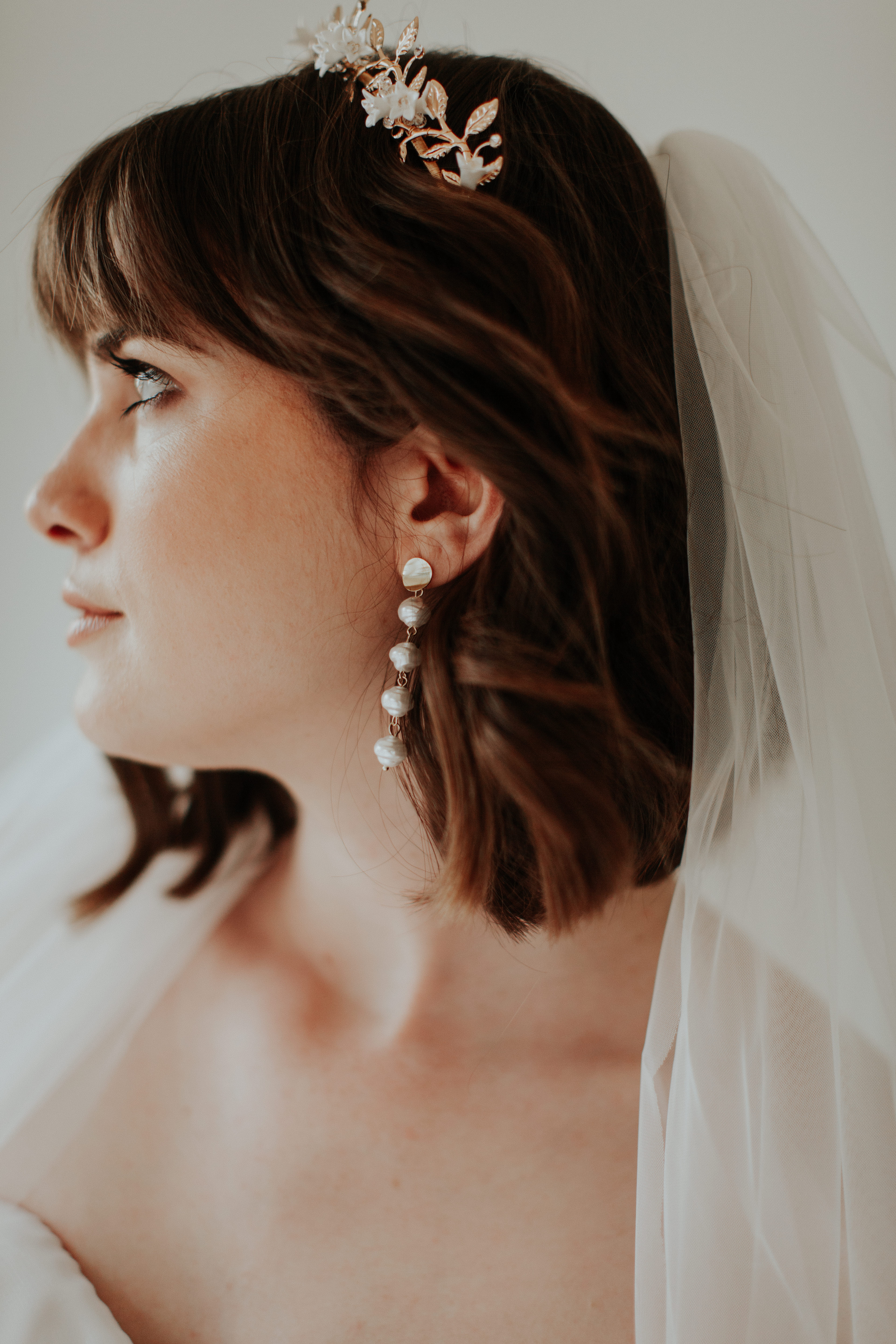
Modern shopping habits have shifted considerably as more brides demand access to quality goods without the traditional retail limitations. By removing the extra layers in the supply chain, companies like Poppy Lane Bridal can offer stunning designs directly to the person who will wear them. This model prioritizes efficiency, meaning the value remains in the product, not in the margins of a multi-tiered sales network.
How removing middlemen changes the retail price point
The traditional route involves manufacturers, importers, distributors, and finally retailers, all of whom take a cut of the final price. By skipping those intermediate steps, costs remain low while maintaining high standards for design. This is naturally more sustainable for your budget, allowing for significant savings while still achieving the aesthetic you envisioned.
Why boutique bridal brands are adopting factory-direct models
Many forward-thinking companies are now embracing a leaner approach to better serve a generation of brides who value transparency over status. This transition allows boutiques to remain agile, reacting quickly to style trends without the constraints of large, stagnant inventories that drive up prices. It ensures that the styles available are both modern and accessible.
Ensuring quality control in streamlined supply chains
- Direct communication with manufacturing facilities allows for tighter oversight.
- Smaller production runs often mean more careful inspection of each piece.
- Fewer shipping touchpoints reduce the risk of structural damage before arrival.
- Faster feedback loops from customers help refine future design iterations.
When you engage with a streamlined chain, you gain the confidence that each item has been vetted specifically for the final wearer.
Strategies for styling a high-end look on a budget
.jpg)
Creating a look that feels expensive is often more about restraint and coordination than it is about the cost of specific items. It helps to envision your wedding day ensemble as a cohesive narrative rather than a collection of separate pieces. When you curate with intention, individual elements—even affordable ones—take on a more significant, polished appearance.
Mixing minimalist accessories with statement pieces
Balancing your look prevents oversaturation and keeps the focus where it belongs: on you. If your dress features heavy lace or intricate embroidery, consider a simple, lightweight veil or subtle earrings to avoid visual clutter. On the other hand, if your gown is a minimalist silhouette, a bold headpiece can serve as the focal point that defines your style.
Choosing versatile items that work beyond the wedding day
Think about whether your accessories can be repurposed after the honeymoon. A neutral-toned hair pin or a classic pair of earrings can easily transition into your everyday wardrobe, adding value well beyond your event date. This approach justifies the purchase by acknowledging the accessory as more than just a temporary wedding decoration.
Aligning accessory choices with your specific dress silhouette
Your gown’s neckline and style should dictate the accessories you choose to add movement or structure. For instance, a strapless sweetheart neckline offers the perfect canvas for a striking set, while a high-neck halter design might require you to skip a necklace entirely and opt for ornate hair accessories instead. Matching the weight of your accessories to the weight of your fabric ensures a look that feels balanced.
Planning your accessories by cost-per-wear expectations
Consider how often you might realistically wear an item after the wedding day. High-impact pieces that feel like memories of the event often earn their place in your closet, while overly ornate pieces intended only for formal events might be better served by a more minimal approach to spending. By focusing on longevity, you ensure your spending aligns with your personal style philosophy.
Red flags and smart shopping tips
Navigating the sea of online options can be overwhelming, but knowing what to look out for helps you avoid poor purchases. Transparency from a retailer is usually the best indicator of how they value their customers. If a site lacks information about materials or shipping, it is usually a sign to keep searching.
Distinguishing between affordable luxury and fast fashion
Fast fashion prioritize cheap mass-production, often leading to items that arrive looking worn or flimsy. Affordable luxury, by contrast, focuses on durable construction and thoughtful designs that perform effectively for the context of a wedding. When you see vague descriptions or generic photography, be cautious; real value is almost always accompanied by clear, honest details about the product’s weight, material, and origin.
Why transparency in sourcing matters for brides
Knowing where your items come from helps you identify if the quality matches the price. Retailers who are open about their production process are generally willing to stand by their quality control standards. This openness is a sign that the brand views the relationship with you as a long-term partnership rather than a one-time transaction.
Reading customer feedback to verify real-world quality and appearance
User reviews often highlight issues that aren't apparent in glossy product photography, such as how the item sits on the head or the true shade of a metallic finish. Look for comments that mention durability and comfort, especially over the duration of a full wedding day. These genuine insights provide a much clearer picture of what you can expect when the box finally lands on your doorstep.
Conclusion
Finding your perfect wedding style should feel empowering rather than daunting, and with a bit of research, it is entirely possible to achieve an elevated look without overspending. By focusing on quality craftsmanship, opting for direct-to-consumer models, and strategically curating your accessories, you can save your budget for the parts of the wedding day that matter most to you. Ultimately, your confidence is the accessory that makes anything you wear appear luxurious, proving that smart planning always leads to the best results.
Frequently Asked Questions
How can I make my bridal look feel more expensive?
Focus on consistency and simplicity by coordinating your metals and fabrics so they complement your gown rather than competing with it. Often, selecting one high-impact focal point—like a veil or a detailed hairpiece—is more effective than wearing several small, less expensive trinkets.
Is it safer to buy bridal accessories online or in-store?
Both options have benefits, but online shopping often provides better transparency regarding pricing and allows you to compare quality and return policies from the comfort of home. As long as you research the brand and read customer feedback, you can often find better values online than in a traditional boutique.
What materials should I look for in affordable bridal veils?
Soft illusion tulle or lightweight organza are excellent choices because they offer a graceful, airy drape that mimics higher-priced materials. Avoid stiff, heavy synthetics that hold static or do not move smoothly when you walk.
How do I know if a piece of hair jewelry will stay in place?
Look for accessories with sturdy combs or double-prong clips rather than just simple pins or light clips. Reading reviews regarding how well the item held up through a full day of wear can provide a good indicator of its security and build quality.
Are there specific accessories that are better investments than others?
Classic jewelry pieces or hair clips that can be worn for anniversaries or other formal occasions later on are often the best investments. Accessories that represent a specific wedding theme might be harder to reuse, so prioritize versatility if you are on a strict budget.
What should I do if my dress is heavily beaded?
If your gown is already featuring significant detail, choose minimal, understated accessories that complement the dress without overwhelming it. A sleek, simple veil or thin metal hair comb can provide a touch of elegance without distracting from the intricate work on your dress.
Why do prices for the same accessory vary so much between brands?
Much of the price difference is due to the brand’s business model and the number of middlemen involved in the sales process. Boutique markups often account for store rent and inventory costs, whereas factory-direct brands pass those savings directly to the customer, resulting in lower prices without sacrificing quality.