
Buy a Wedding Dress Belt Online: Sizing and Styling Tips
Key Takeaways
A wedding dress belt can change the feel of your gown, but the best choice comes down to proportion, comfort, and fit.
- Decide whether your gown needs a waist accent before shopping.
- Match the belt’s width, color, and embellishment to your dress.
- Measure over the layers you will actually wear.
- Check closures, attachment methods, shipping, and return terms.
- Test the finished look before your wedding day.
Decide whether a wedding dress belt is right for your gown
A bridal belt is a small accessory with a surprisingly visible effect. It can bring attention to your waist, add a little sparkle, or make a simple gown feel more styled. Before you buy a wedding dress belt online, look at the shape and details of your dress first. The goal is to make the whole look feel intentional, not crowded.
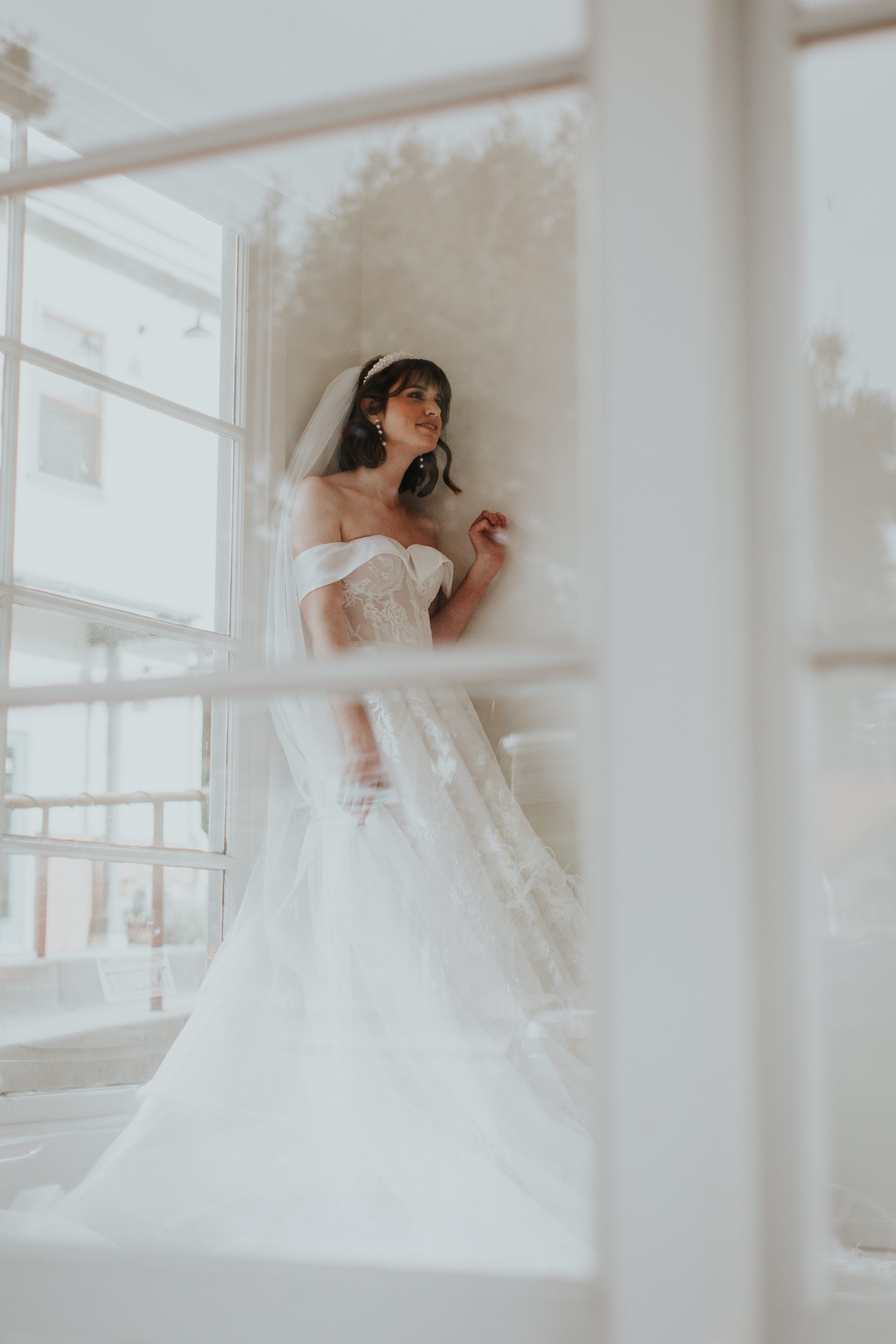
How a belt can define your waist and change your silhouette
A belt creates a visual line across the gown, which can make the waist feel more defined and separate the bodice from the skirt. On a flowing or voluminous dress, that line can add structure; on a fitted gown, it can emphasize a shape that is already there. Proportion matters most here—a belt should support the silhouette rather than compete with it.
Try placing a ribbon or a piece of fabric at different heights in front of a mirror. A slightly higher position can visually lengthen the legs, while the natural waist often gives a classic, balanced finish.
Wedding dress styles that pair well with belts
Belts work especially well with simple satin, crepe, chiffon, and lightly embellished gowns because they add a clear focal point. They can also look lovely on A-line and fit-and-flare silhouettes, where the waist naturally divides the bodice and skirt. A slim accent is usually easier to blend into a lace or heavily detailed dress.
For more ideas on proportion and placement, browse this guide to bridal belts and sashes. It is useful when you are still deciding whether your gown needs structure, sparkle, or just a softer finishing detail.
When to choose a sash, ribbon, or structured belt
A sash or ribbon tie is a relaxed choice with a soft, adjustable finish. It can suit an airy gown, a romantic bow, or a bride who wants a little flexibility around the waist. A structured belt has firmer backing and a more defined outline, so it tends to feel cleaner with crepe, satin, or a streamlined dress.
Think about the mood you want as well as the fabric. A ribbon feels effortless and gentle, while a firm embellished design reads more polished and graphic.
Signs your dress may not need an extra accessory
Some gowns already have a strong waist seam, elaborate beading, an ornate bodice, or a dramatic bow. Adding another horizontal detail may interrupt the design instead of completing it. Step back and take a photo from a few feet away; if your eye already lands exactly where you want it to, you may be done.
You can also borrow a simple ribbon from your alterations kit for a quick test. If it makes the gown look busy, trust that first impression.
Choose the right wedding dress belt style online
Shopping online gives you plenty of choice, but the photos can make every belt look more similar than it really is. Pay attention to scale, shine, backing, and the way the accessory is tied or closed. Save a few gown photos and compare them beside the product images. A thoughtful choice will look chic in person and in photographs.
.jpg)
Crystal, pearl, beaded, and satin belt options
Crystals catch light and give a more noticeable sparkle, while pearls create a softer glow. Beading can add texture and vintage character, and satin keeps the effect clean and understated. Consider the existing finish of your gown before choosing the prettiest close-up.
If you like a little detail without a highly ornate look, an ivory ribbon with restrained embellishment can be especially versatile. For broader inspiration, explore these crystal and pearl sash styles.
Narrow belts versus wide bridal sashes
A narrow belt is often the easiest match for a detailed bodice or a petite, minimal silhouette. A wider sash can bring more presence to a plain gown or help visually balance a full skirt. Neither width is automatically more flattering; the right one relates to your dress, your proportions, and the effect you want.
As a starting point, compare the belt with the width of the bodice details. If the accessory is much larger than everything above it, it may become the only thing people see.
Matching the belt to your gown’s details
Look for echoes rather than exact copies. A belt with leaf shapes can quietly pick up botanical lace, while a crystal design may connect with beaded straps or a sparkling veil. Ivory, silver, gold, and rose gold can all work, but the finish should make sense beside your jewelry and dress color.
Before ordering, place a screenshot of the belt next to a photo of your gown. This simple side-by-side check often reveals whether the tones feel harmonious or slightly off.
Choosing between a subtle accent and a statement look
A subtle belt adds definition without changing the center of attention. A statement belt does the opposite: it gives a simple dress a strong focal point and may become one of the main styling moments. Be honest about what you want to notice when you look at your wedding photos years from now.
If your gown has lots of lace, appliqué, or shimmer, start with a restrained option. If the dress is clean and quiet, a bolder waist accent may give it the personality it needs.
Measure yourself before you buy a wedding dress belt online
Online sizing is easier when you measure the way the belt will actually be worn. Your everyday pants size is not enough, and your bare-waist measurement may not match the measurement over a gown. Use a soft tape, keep it level, and write down the number before opening multiple size charts. A few careful minutes can save a rushed alteration later.
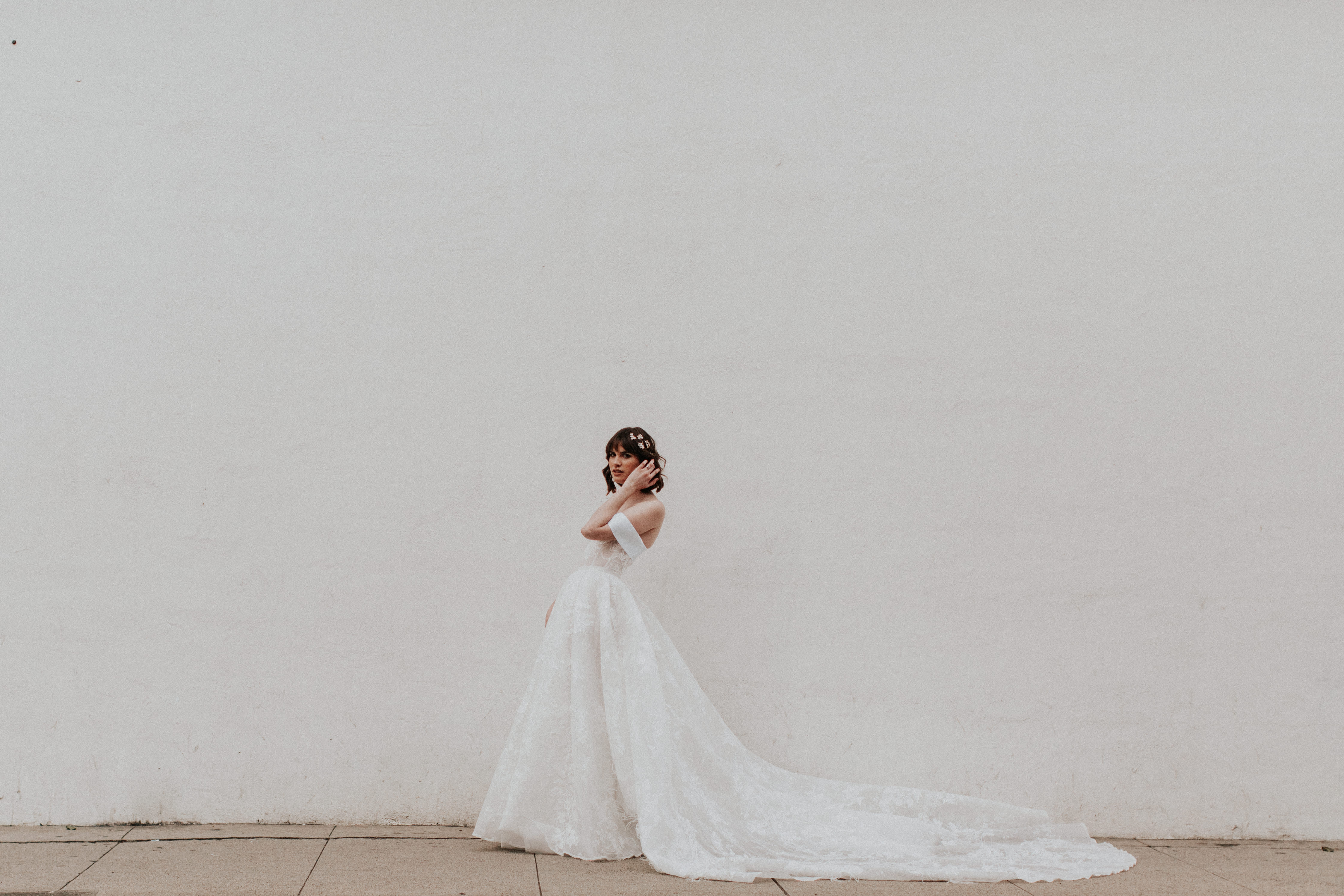
Where to measure your waist for the best fit
Find the narrowest part of your torso, usually near the natural waist, and stand comfortably without pulling your stomach in. Keep the tape close to your body but not tight enough to dig in. Take the measurement twice and use the consistent number.
If the belt will sit above or below your natural waist, measure that exact spot too. The placement you choose matters more than a generic waist measurement.
How to measure over your wedding dress or shapewear
If you have your dress, put it on with the shapewear, bra, or slip you expect to wear. Measure over those layers at the intended belt position. If the dress is not available, recreate the thickness with similar clothing and treat the result as an estimate.
A ribbon tied around the dress can help you identify the most comfortable placement. Walk, sit, and breathe normally before recording the number.
Converting your measurements to an online size chart
Read the chart’s instructions carefully because some sellers list the full belt length while others list the adjustable wearing range. Compare your measurement with the range, not simply the largest number in the product title. Also check whether the listed width refers to the whole belt or only the embellished center.
When shopping online, keep a note with your measurement, the placement, and the layers worn. That makes it easier to compare styles without starting over each time. For a broader online shopping reference, this e-commerce planning guide can help you think through product information before you order.
What to do when you fall between belt sizes
If you are between sizes, look for a ribbon tie, hook-and-eye closure, or another adjustable design. A tie-back style usually gives you more control than a fixed clasp. Do not automatically size down for a snug look; a belt that pinches will feel much less polished after several hours.
When the size is unclear, contact the seller with your measurement and intended placement. It is better to confirm than to guess, especially when a purchase has limited return options.
Check the product details before placing your order
Beautiful photos are only one part of the decision. Product descriptions tell you how a belt behaves, how it closes, and whether it will work with your gown. Read them slowly, then save the details with your order confirmation. This is the unglamorous step that keeps wedding shopping calm.
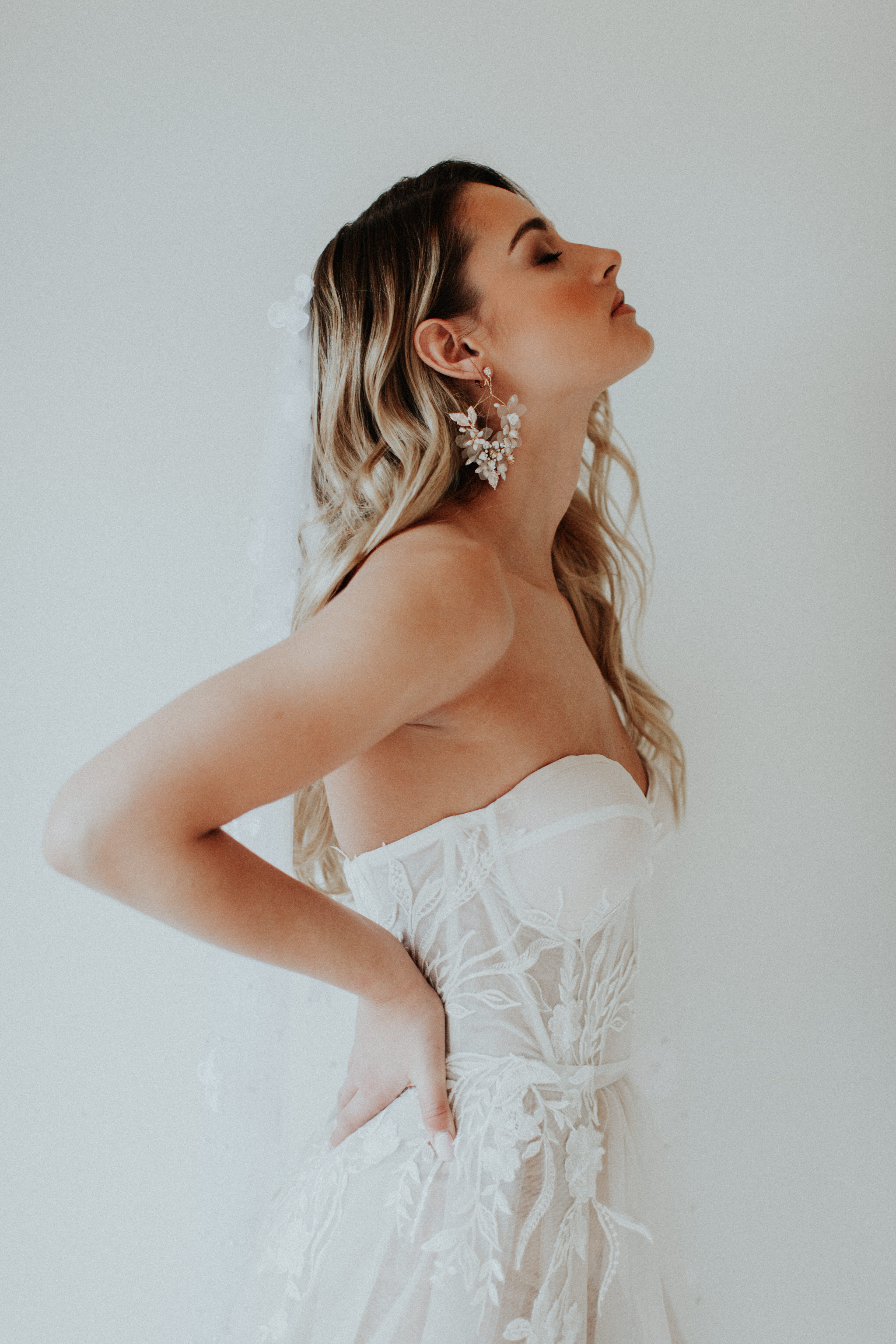
Belt length, width, closure, and adjustability
Check the total length, embellished section, width, and closure type separately. A belt may have a short decorated center with long ribbon ties, or it may be a fixed piece designed to sit at one specific measurement. Look for adjustable wording and note whether the bow or closure adds extra length.
These details also affect how the belt will look from the back. A long ribbon can create a soft trailing finish, while a clasp keeps the silhouette neater.
Reviewing materials, color, and photos closely
Zoom in on the embellishment and inspect several photos, especially any images showing the belt on a gown. Look for the difference between ivory and bright white, and notice whether the metal leans silver, gold, or rose gold. Product photos taken in different lighting can help you judge shine and color more realistically.
If the listing does not show the reverse side or the closure, treat that as a question to ask rather than a detail to assume. Clear information is part of a good online purchase.
Checking attachment options for delicate wedding dresses
A belt may stay in place with a tie, clasp, hooks, fashion tape, or discreet stitches. Delicate lace and lightweight fabrics need gentle handling, so ask your seamstress before pinning or sewing anything to the gown. Never assume adhesive is safe for every fabric.
A few temporary clips can help during a fitting, but the final attachment should be tested on a hidden area or handled by a professional. For unrelated home projects, keep specialist instructions such as this mortise lock guide separate from bridal alterations; different materials need very different care.
Understanding shipping timelines, returns, and exchanges
Check the estimated processing time, shipping method, and delivery window before placing the order. Wedding accessories should arrive early enough for a full fitting, not the week before the ceremony. Read the return and exchange policy closely, including any final-sale language.
Make a short order checklist so nothing gets missed:
- Confirm the belt measurement and intended position.
- Check the color and metal finish.
- Review closure and attachment details.
- Note processing and shipping timelines.
Afterward, keep the confirmation email and policy details together. That small habit gives you a clear reference if a question comes up.
Style your bridal belt with your wedding dress
Once the belt arrives, styling is mostly about balance. Put it on with the gown rather than judging it against a hanger or a single product photo. Try a few positions, take photos, and notice how the accessory changes when you move. The most beautiful placement is usually the one that looks natural from every angle.
Positioning the belt at your natural waist or higher
Start at the natural waist, then try moving the belt slightly higher or lower by an inch. A higher placement can work nicely with a long skirt and may make the legs appear longer. On a gown with a defined seam, follow that construction unless your seamstress suggests otherwise.
Ask someone to photograph the front, side, and back. A belt can look perfect in the mirror but sit differently when you walk.
Coordinating crystals, pearls, metals, and embellishments
Choose one main language for the accessories. Crystals can connect with sparkle in the gown, pearls can soften a lace look, and metal finishes can repeat in earrings or hair accessories. You do not need every detail to match exactly, but the combination should feel deliberate.
For a softer look, pair a detailed belt with simple earrings. For a minimal gown, you have more room to let the belt carry the embellishment.
Pairing your belt with a veil, earrings, and shoes
Think of the belt as one point in a larger line of accessories. A veil with heavy detail may call for a quieter waist, while a simple veil leaves more room for a sparkling belt. Earrings and shoes can repeat a finish without making the outfit feel overly coordinated.
Poppy Lane Bridal offers modern veils, jewelry, hair accessories, gloves, belts, and other bridal essentials directly to brides at factory-direct prices, so you can compare categories while building one cohesive look. You can also shop bridal accessories when you are ready to see how the pieces work together.
Creating balanced looks for minimalist and detailed gowns
A plain gown can carry a wider, more embellished belt because the accessory supplies texture and interest. A detailed gown often benefits from a slim design that lets its lace, beading, or appliqué remain visible. Leave a little visual breathing room around the waist when the bodice is already busy.
A useful test is to remove one accessory at a time. If the outfit immediately feels calmer without the belt, try a simpler version rather than forcing the original choice.
Make sure your belt fits comfortably on the big day
A belt should look lovely, but it also needs to disappear into the experience of wearing your dress. Your wedding day may include standing, dancing, sitting, hugging, and a long photo session. Test all of that before deciding the fit is finished. Comfort is not a compromise; it is part of good styling.
Testing the belt with your full bridal look
Wear the belt with your gown, undergarments, shoes, veil, and jewelry for at least part of a fitting. Sit in a chair, raise your arms, walk up a few steps, and take a few deep breaths. Check whether the belt stays in its intended position through each movement.
Take photos in natural light and with flash if possible. A piece that looks balanced in person should still read clearly without creating distracting glare.
Preventing slipping, pinching, or bunching
Slipping often comes from a smooth gown fabric, a loose fit, or a placement that does not follow the dress’s construction. Pinching usually means the belt is too tight or the closure is sitting in the wrong spot. Small discreet stitches, professional garment tape where appropriate, or a better-fitting closure can help.
The best bridal accessory is one you can stop thinking about once the celebration begins.
Try the solution during a full movement test, not only while standing still. If fabric bunches beneath the belt, adjust the position before adding more fasteners.
Using a seamstress for a secure custom fit
A seamstress can place small tacks at the side seams or make other careful adjustments that suit the gown. Bring the belt to an alteration appointment and explain whether you want it removable after the ceremony. This is especially helpful for delicate fabrics, fitted bodices, or a structured belt.
Do not wait until the final fitting. Give the seamstress enough time to test the attachment and make the result comfortable.
Packing and caring for the belt before the wedding
Store the belt in a clean pouch or its original packaging, away from moisture, makeup, and sharp jewelry. Keep ribbon ties loosely arranged rather than tightly knotted, and avoid placing heavy items on embellished sections. Pack it with your wedding-day accessories so it does not get forgotten.
Bring it to the venue in a small labeled bag and ask your getting-ready team to keep it separate until the dress is on. A little organization protects the finish and makes the final styling easier.
Complete Your Bridal Look
When you are ready to choose your accessories, explore Poppy Lane Bridal’s collection of modern bridal essentials. The brand brings accessories and veils directly to brides at factory-direct prices, making it easier to find an elevated look that feels smart as well as beautiful.
Conclusion
The right wedding dress belt should suit your gown, fit the layers you will wear, and feel comfortable through every part of the day. Compare width, embellishment, closure, and policies before ordering, then test the finished look with your full bridal outfit. With a little measuring and a calm styling check, your belt can add just the right amount of definition and bridal magic.
Frequently Asked Questions
Should I wear a belt with a wedding dress?
A belt can be a lovely choice when you want more waist definition, sparkle, or structure. If your gown already has a strong waist detail or heavy embellishment, it may look better without one.
What type of belt looks best with a simple wedding dress?
A simple gown can support a wider sash or a more noticeable crystal or beaded belt. Choose a width and finish that complement the gown’s fabric and your overall styling rather than overwhelming its shape.
Where should a wedding dress belt sit?
Start at the natural waist, then try a slightly higher position to see how it changes the silhouette. If your dress has a waist seam, that seam is a useful starting point.
How do I measure for a bridal belt?
Measure around the exact place where the belt will sit, keeping the tape level and comfortably close to your body. If possible, measure while wearing your dress and planned shapewear.
Are ribbon-tie belts easier to fit?
Ribbon ties usually offer more flexibility because you can adjust the tension and create a bow. They can be especially helpful when your measurement falls between standard sizes.
How can I keep a wedding dress belt from slipping?
A proper fit is the first step. Depending on the gown and fabric, a seamstress may add discreet stitches or recommend a suitable temporary fastening method.
When should I order my wedding dress belt?
Order early enough to receive it before a full dress fitting. This gives you time to check the fit, confirm the color, and arrange professional attachment if needed.