
How to Clean and Care for Your Bridal Jewelry
Key Takeaways
A little regular care keeps bridal accessories looking beautiful before, during, and long after the wedding. Start by identifying each piece, then clean, wear, pack, and store it with its materials in mind.
- Check the metal, finish, stones, and care instructions before cleaning.
- Use mild soap, lukewarm water, and a soft cloth for suitable pieces.
- Keep jewelry away from perfume, lotion, water, heat, and harsh chemicals.
- Store every item separately in a soft, dry, protected space.
- Have loose stones, damaged settings, or sentimental pieces checked professionally.
Start by identifying what your bridal jewelry needs
Before you reach for a jewelry cloth, take a close look at what you own. A simple metal band can handle different care from a pearl earring, crystal headpiece, or plated fashion piece. Knowing what you are working with is the first step in thoughtful bridal jewelry care.
Check the metal and finish
Look for clues in the product description, box, receipt, or maker’s stamp. Gold, silver, and platinum have different upkeep needs, while a gold-tone or silver-tone finish may be a plating over another metal. If you are unsure, treat the piece as delicate until you can confirm its materials.
A finish can also affect how often you should polish. Aggressive rubbing may wear down plating or change the soft appearance of a brushed surface, so begin with a dry, lint-free cloth and a light touch.
Identify gemstones, pearls, crystals, and other details
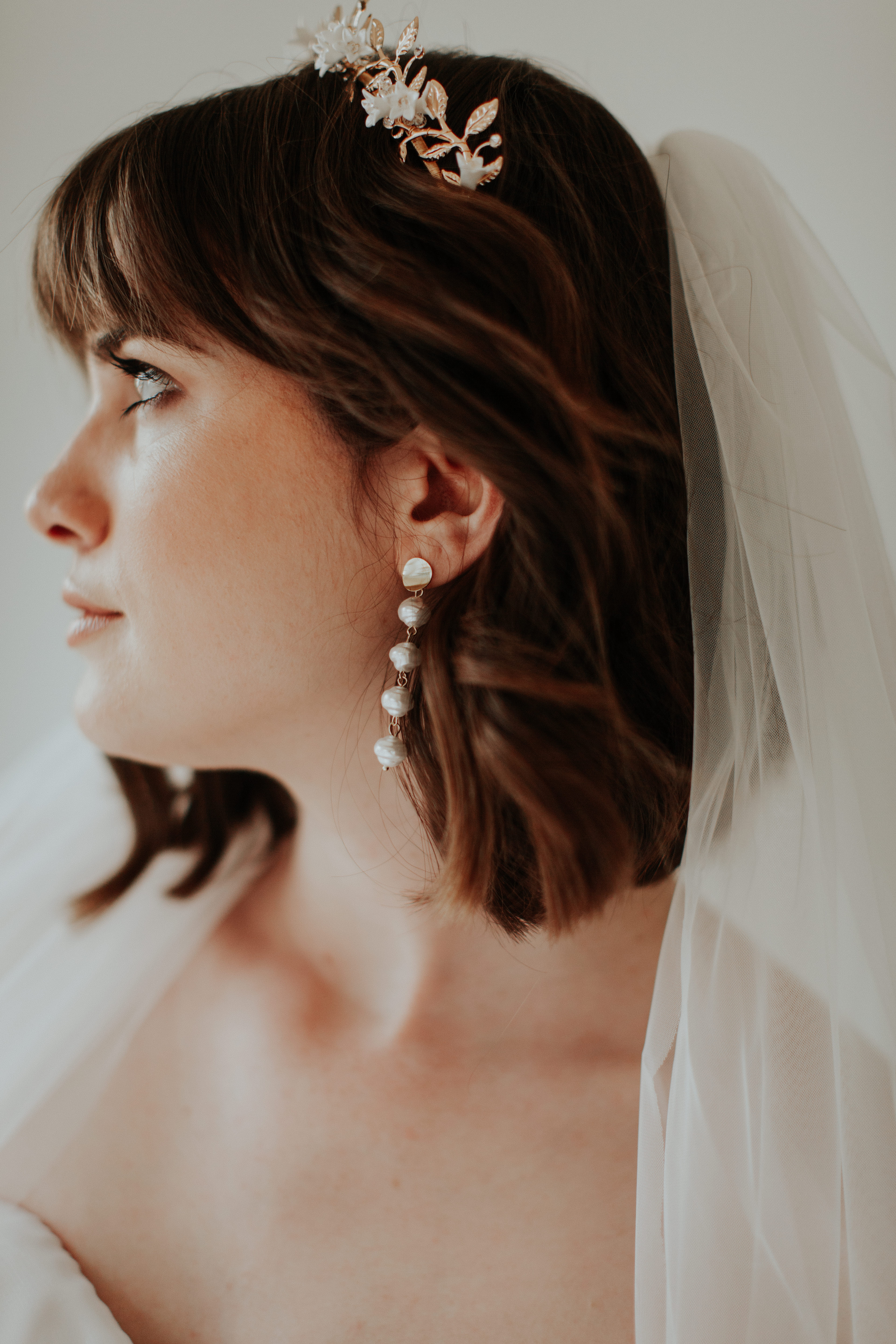
Check whether a piece includes diamonds, colored stones, pearls, crystals, glass, enamel, fabric, or glued details. These materials may not respond well to the same cleaner, soak, or brush. If a stone is set in a delicate hair accessory, avoid saturating the entire piece just because the metal looks washable.
For crystal pieces, gentle surface cleaning is usually the safest starting point. If you also enjoy caring for loose crystals used for personal practices, this crystal cleansing guide covers a separate approach to physical cleaning and drying; do not treat its energy-related suggestions as jewelry-care instructions.
Know when a piece needs extra-gentle care
Pearls, opals, porous stones, antique finishes, fabric-covered accessories, and pieces with glued stones deserve restraint. Do not scrub them, leave them submerged, or expose them to sudden temperature changes without checking their care guidance first.
When in doubt, wipe away surface residue and stop there. It is better to leave a little dullness for a professional than risk lifting a finish or loosening a detail just before your wedding.
Review the brand’s care instructions and warranty
Keep the original care card and product information somewhere easy to find. Instructions may tell you whether water, polishing cloths, ultrasonic cleaners, or particular chemicals are suitable, and warranty terms can matter if a setting or clasp needs attention.
If you shop with Poppy Lane Bridal, remember that the brand offers bridal accessories and veils directly to brides at factory-direct prices. For style planning, its bridal accessory guide can help you think through jewelry, hair accessories, veils, and other details before you buy.
Build a safe bridal jewelry cleaning routine
Cleaning does not need to become a big project. A calm, repeatable routine removes oils, makeup residue, and everyday dust without making your jewelry work harder than it should. Start with one piece at a time, especially when several earrings, pins, and necklaces are involved.
Gather the right supplies
Set up a clean, well-lit area before you begin. A shallow bowl is safer than a sink, where a tiny earring can disappear down the drain, and a folded towel gives pieces a soft landing.
Useful basics include:
- A soft, lint-free cloth
- Lukewarm water
- A small bowl
- Mild, fragrance-free dish soap
- A very soft brush for suitable, durable pieces
Keep paper towels, rough terry cloths, and stiff brushes away from delicate surfaces. Having the right supplies ready makes it less tempting to improvise with whatever cleaner happens to be nearby.
Use a gentle at-home cleaning method
For jewelry that is confirmed water-safe, mix a small amount of mild soap into lukewarm water. Let the piece sit briefly, then loosen residue with your fingertips or a very soft brush around durable settings. Do not force the brush into tiny gaps or pull at stones that already look unstable.
The goal is to lift buildup, not polish the piece into submission. A short, gentle clean is usually more useful than a long soak, particularly for fashion jewelry and pieces with decorative details.
Rinse and dry each piece carefully
Rinse suitable metal jewelry in a separate bowl of clean lukewarm water rather than under a strong tap. Soap left in a setting can make jewelry look cloudy, while water trapped behind a stone or in a clasp may cause problems over time.
Pat the piece with a soft cloth, then let it air-dry fully on a clean towel. Open clasps and turn pieces gently so moisture is not hidden in hinges, chain links, or the back of a setting.
Avoid harsh cleaners and common DIY mistakes
Skip bleach, chlorine, abrasive powders, toothpaste, and strong household sprays. They can scratch surfaces, affect finishes, or harm stones and adhesives. Avoid boiling water too, since sudden heat can be rough on delicate materials.
A helpful rule is simple: when the material is uncertain, stop and ask the maker or a jeweler. For general background on cleaning and storing fine jewelry, this jewelry care reference offers another useful perspective, but the instructions for your individual piece should come first.
Clean different jewelry materials with the right method
Material matters more than sparkle when you choose a cleaning method. Two pieces may look similar but react differently to water, polishing, or friction. Read the label first, and use the gentlest method that suits the least durable part of the design.
.jpg)
Care for gold, silver, and platinum
Solid gold and platinum can generally be cleaned with lukewarm water, mild soap, and a soft cloth when the piece has no delicate stones or glued details. Silver may tarnish when exposed to air and moisture, so a silver-specific cloth can help, but use it carefully and follow the maker’s instructions.
Do not polish automatically just because a piece looks slightly different. A satin finish, intentional patina, or plated surface can be changed by vigorous rubbing.
Protect plated and fashion jewelry
Plated and fashion jewelry often needs a lighter touch than solid precious metals. Wipe it with a dry or barely damp soft cloth, avoid soaking, and dry it promptly. Water, sweat, perfume, and friction may shorten the life of a decorative finish.
This is also why checking the material before purchasing helps. Poppy Lane Bridal’s approach is centered on direct-to-consumer bridal accessories at factory-direct prices, giving stylish brides a way to shop thoughtfully without assuming a higher markup guarantees better care or wear.
Clean diamonds and durable gemstones
Diamonds and some durable gemstones may tolerate a brief mild-soap cleaning, but the setting still needs attention. Oils can collect beneath a stone, and a soft brush can help reach those areas if the stone is secure and the care instructions allow it.
Never clean a piece with a loose stone as if nothing is wrong. Set it aside in a small pouch and arrange an inspection before wearing or washing it again.
Handle pearls, opals, and other delicate stones
Pearls and opals are better treated with a soft, slightly damp cloth than with a soak. Wipe them after wearing, keep them away from perfume and hair products, and allow any moisture on the surface to dry before storage.
Porous stones, antique pieces, and unusual materials may need specialist advice. If you are unsure whether a stone is safe for water, assume it is not and choose dry cleaning until confirmed.
Keep your jewelry safe while wearing it
The easiest way to protect jewelry is to keep it away from the situations that create buildup or impact. Wedding mornings are busy, so small habits make a real difference. Put accessories on near the end of getting ready and take them off before activities that involve sweat, water, or chemicals.
Put jewelry on after hair and makeup
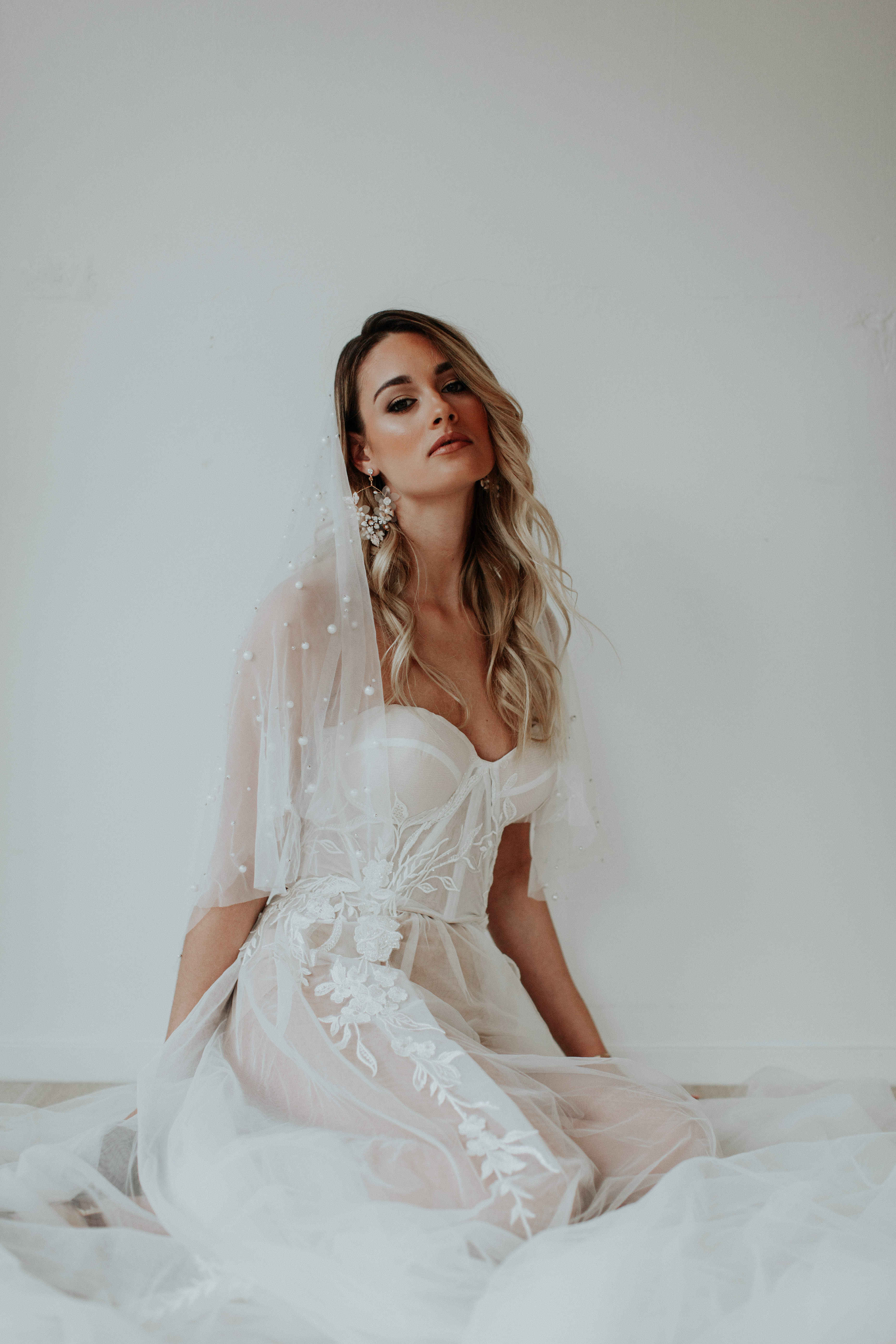
Hair spray, foundation, setting spray, and powder can settle into stones and textured metal. Finish your hair and makeup first, wash or wipe your hands, and then add earrings, necklaces, bracelets, and hair jewelry.
This order also reduces snags. Your veil, comb, or earrings are much less likely to catch while you are still brushing, pinning, or adjusting your hair.
Remove pieces before showering, swimming, or exercising
Take jewelry off before showers, baths, pools, hot tubs, workouts, and sleep. Water can collect in hidden areas, chlorine can affect some metals, and movement can pull at chains, clasps, and prongs.
Make removal easy by choosing one consistent spot at home. A small dish near the bathroom is better than leaving a ring beside a sink or wrapping a necklace around a towel.
Protect jewelry from perfume, lotion, and household chemicals
Apply perfume, lotion, sunscreen, and hair products before putting on jewelry, then allow your skin to dry. During cleaning, gardening, or other chores, remove pieces and keep them away from sprays and solvents.
If skin comfort is part of your wedding planning, keep it separate from jewelry cleaning. For example, this gentle moisture guide discusses skincare and hygiene, but it is not a substitute for material-specific jewelry instructions.
Check clasps, prongs, and settings regularly
Run a quick visual check over each piece before wearing it. Look for a clasp that does not close cleanly, a bent post, a missing stone, a prong that catches on fabric, or a chain link that appears stretched.
Do not tug on a suspicious setting to test it. A jeweler can inspect the piece safely, and early attention is usually less stressful than discovering a problem while walking down the aisle.
Store bridal jewelry to prevent damage
Good storage protects both the jewelry and the memories attached to it. Tossing everything into one pouch may seem harmless, but chains tangle, stones scratch one another, and delicate earrings can vanish under heavier pieces. Give every accessory a small, defined home.
Separate each piece to prevent scratches and tangles
Keep necklaces clasped loosely and laid flat when possible. Place earrings together, store hairpins so their points cannot scrape other surfaces, and avoid stacking pieces with exposed stones.
A little separation also makes wedding-day packing much easier. You can see what you have without shaking a pouch or pulling a tangled chain apart.
Use soft-lined boxes, pouches, or organizers
Choose a soft-lined box, fabric pouch, or compartment organizer that fits the piece without crushing it. Hard plastic bags may trap moisture, while an oversized box allows jewelry to slide around.
For more detailed guidance on cleaning, packing, and protecting a veil and other accessories, use this bridal storage guide. Its archival approach is especially useful for pieces you plan to keep after the ceremony.
Control moisture, sunlight, and temperature
Store jewelry somewhere cool, dry, and away from direct sunlight. Bathrooms are convenient but often humid, and extreme heat can affect finishes, adhesives, and delicate stones.
Let pieces dry completely before closing a box. If you live in a damp climate, a small silica gel packet placed near—not directly against—the jewelry can help manage moisture, as long as it stays out of reach of children and pets.
Store your veil and jewelry accessories without crushing them
A veil should not be folded tightly around a tiara or earrings. Place jewelry in its own pouch first, then store the veil loosely in acid-free tissue or a suitable garment container so embellishments do not snag the fabric.
Keep heavier accessories from sitting on top of the veil. For a cohesive look, Poppy Lane Bridal offers modern veils, jewelry, hair accessories, gloves, belts, and other bridal essentials directly to brides, so you can plan the full set while keeping each item protected.
Prepare your bridal jewelry for the wedding day
The final week is the time to test your routine, not experiment with a new cleaner. Lay everything out in good light and give yourself enough time to notice missing backs, weak clasps, tarnish, or a piece that does not sit comfortably.
Clean and inspect each piece before the ceremony
Clean suitable jewelry several days before the wedding, then let it dry and rest in its storage pouch. Inspect both the front and back, paying attention to earring posts, necklace clasps, bracelet closures, and the areas where hair accessories attach.
If something seems loose or damaged, do not wait until the morning of the ceremony. Put it in a labeled pouch and decide whether it needs repair, replacement, or a backup plan.
Create a getting-ready jewelry checklist
A short checklist keeps small pieces from being forgotten in the excitement. Write down each item and its location, including backups and fasteners.
You might include:
- Earrings and spare backs
- Necklace, bracelet, or rings
- Veil, comb, tiara, or hairpins
- Jewelry box or individual pouches
- Soft cloth for a final touch-up
The list is not about making the morning rigid. It simply gives your bridal party one clear reference when everyone is moving around and time feels fast.
Pack pieces securely for travel and touch-ups
Transport jewelry in a closed, padded organizer rather than loose in a makeup bag. Keep it with you when possible, and avoid placing it beneath shoes, toiletries, or a dress bag where it could be crushed.
Pack a soft cloth and any spare earring backs, but do not bring a new chemical cleaner to the venue. A quick dry wipe is enough for a fingerprint or small smudge.
If you are choosing accessories as part of the wider celebration, a custom first-dance song can make the day feel personal too; just keep music planning and jewelry packing as two separate little tasks.
Ask someone you trust to handle jewelry changes
Choose one calm, careful person to help with changes between the ceremony, portraits, and reception. They can keep removed pieces together, check that clasps are closed, and return each item to its pouch instead of setting it on a random table.
Show them the storage plan ahead of time. If your outfit includes gloves, a veil, or a hairpiece, practice the order of changes so nobody has to tug at jewelry in a hurry.
Know when professional jewelry care is worth it
At-home care is useful for routine upkeep, but it cannot replace an inspection when a piece may be damaged. A professional can examine settings and closures closely, clean materials that need specialist treatment, and tell you when a repair is safer than continued wear.
Recognize signs of loose stones or damaged settings
Stop wearing a piece if a stone moves, rattles, spins unusually, or catches on clothing. Also watch for bent prongs, cracked stones, stretched chain links, broken posts, or a clasp that opens without much pressure.
Place the item in a soft pouch and keep it separate from the rest of your jewelry. Do not try to glue a stone back in place or reshape a setting at home.
Schedule professional cleaning and inspections
A jeweler’s cleaning and inspection can be worthwhile before the wedding, especially for heirlooms, engagement rings, or pieces worn often. Ask what method will be used and mention every stone, coating, or delicate detail you know about.
A professional visit is also a good chance to ask how often that particular piece should be checked. The right schedule depends on construction, wear, and material rather than on a one-size-fits-all calendar.
Repair tarnish, scratches, and broken clasps
Light surface tarnish may respond to an appropriate polishing cloth, but deep scratches, worn plating, broken clasps, and bent components need a more careful assessment. Repair choices can change the appearance of a finish, so ask what will be altered before approving the work.
Do not confuse a temporary shine with a sound repair. A piece should be secure and comfortable, not merely bright for a photograph.
Preserve and safely store sentimental bridal jewelry after the wedding
After the celebration, clean each piece only as its materials allow, then let it dry completely. Add a note with the wedding date, who wore it, and any care instructions so its story stays with it if it becomes a family keepsake.
Store sentimental jewelry separately in a soft-lined container, away from humidity and direct light. For inspiration on preserving the meaning as well as the sparkle, this sentimental jewelry care article offers a thoughtful reminder that these pieces can carry memories for years.
When you are ready to finish your accessory planning, explore bridal accessories with your style, comfort, and care routine in mind.
Shop Your Bridal Accessories
When your jewelry plan is clear, explore Poppy Lane Bridal for modern bridal veils, jewelry, hair accessories, gloves, belts, and other essentials offered directly to brides at factory-direct prices.
Conclusion
Bridal jewelry care is mostly about gentle habits: identify each material, clean only when appropriate, protect pieces from daily products and impact, and store them separately. With a little preparation, your earrings, rings, veils, and hair accessories can look beautiful on the wedding day and remain meaningful long afterward.
Frequently Asked Questions
How often should bridal jewelry be cleaned?
Wipe jewelry gently after wearing it and clean suitable pieces when oil, makeup, or dust becomes visible. Delicate materials may need only a dry or slightly damp cloth, while frequently worn durable pieces can receive occasional mild-soap cleaning.
Can I clean all bridal jewelry with soap and water?
No. Soap and water may be suitable for some solid metals and durable stones, but pearls, opals, plated finishes, glued details, and fabric accessories may be damaged by soaking. Confirm the material and care instructions first.
Is toothpaste safe for cleaning jewelry?
Toothpaste is not a reliable jewelry cleaner because its abrasives can scratch metal, stones, and finishes. Use a soft cloth and an appropriate mild cleaning method instead.
Should I wear jewelry while showering?
It is best to remove jewelry before showering. Soap residue, moisture, heat, and sudden temperature changes can affect finishes, settings, and delicate stones over time.
How should I store bridal earrings and necklaces?
Store each piece separately in a soft-lined box, pouch, or organizer. Keep necklaces from tangling, protect stones from rubbing against one another, and choose a cool, dry location away from direct sunlight.
What should I do if a bridal jewelry stone feels loose?
Stop wearing the piece and place it in a soft pouch. Do not shake, tug, or glue it; arrange a professional inspection before cleaning or wearing it again.
Can bridal jewelry become a family heirloom?
Yes, well-maintained jewelry can remain wearable and meaningful for years. Clean it appropriately, record its story and care instructions, and store it in a dry, protected container after special occasions.