
Types of Bridal Veils Every Bride Should Know
Key Takeaways
Choosing the right veil adds a layer of sentiment to your big day, but finding the perfect fit is all about balancing your personal style with your gown's silhouette.
- Veil lengths range from short, playful birdcage styles to long, dramatic cathedral lengths.
- Match your veil to your dress details to ensure the two elements complement rather than compete with one another.
- Fabric quality matters, with soft illusion tulle providing a luxurious feel that drapes beautifully.
- Consider your wedding venue and comfort when selecting the final length of your piece.
- Proper securing techniques keep your veil in place from the first look to the final dance.
Veil lengths defined by drama
When you start browsing for inspiration, length is usually the first thing you notice. Different lengths set a distinct tone, shifting from casual and playful to formal and show-stopping, so think about the vibe you want for your ceremony.
Blusher and birdcage for intimate vibes
If you love a retro look, a birdcage veil is a smart choice for its structured, effortless appeal. These short pieces often cover only part of your face or eyes, making them perfect for city hall ceremonies or smaller, more modern gatherings. Pair your choice with the classic accessories from Poppy Lane Bridal to round out your look.
Fingertip and ballet lengths for movement
Fingertip-length veils are incredibly popular because they work with almost every gown silhouette. They fall right at your hands, adding just enough drama without getting in the way of your dress details. Ballet-length styles, which hit between the knee and ankle, add a touch of whimsy and are ideal for brides who want movement without the weight of a floor-length train.
Chapel and cathedral for the wow factor
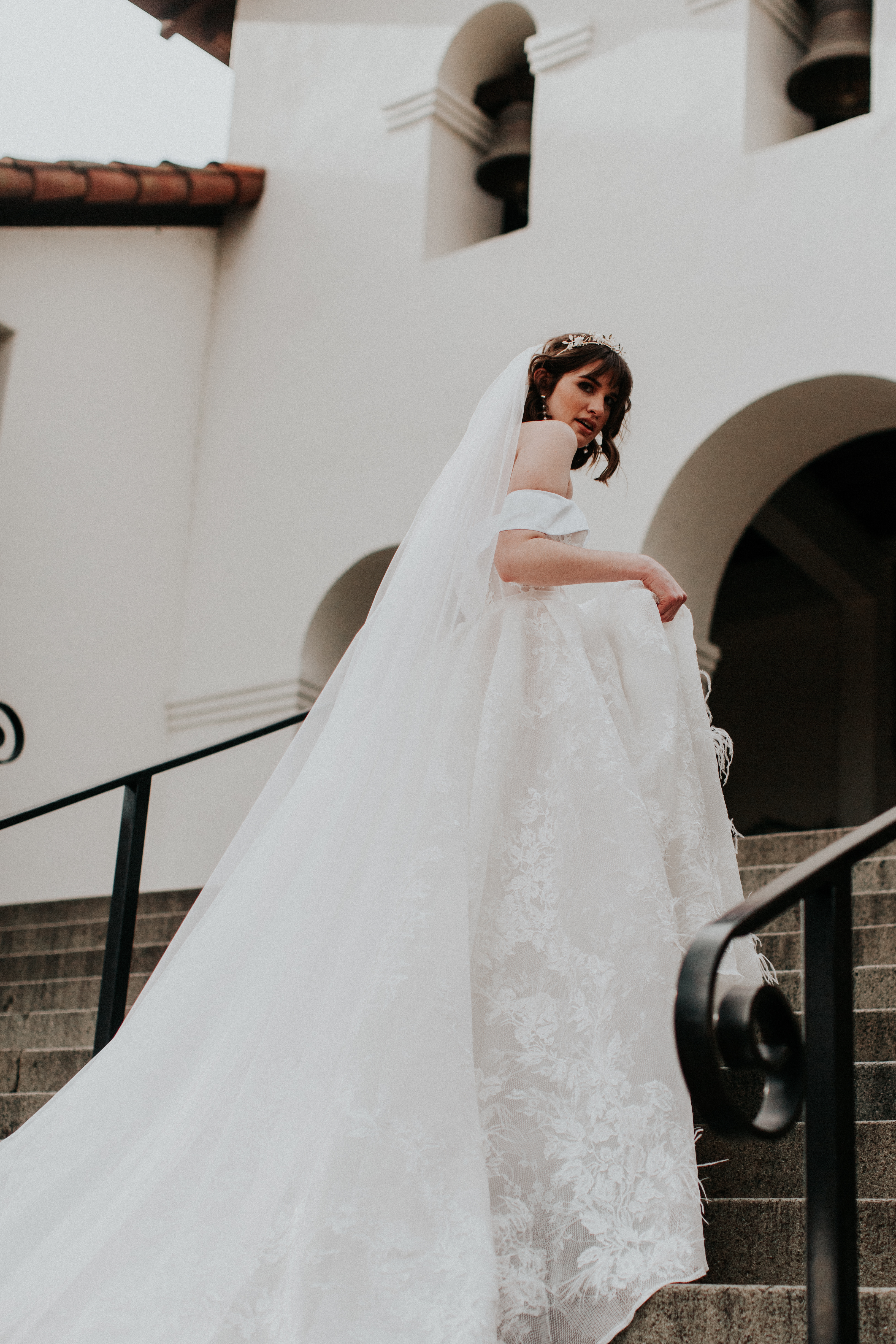
Chapel and cathedral lengths are the go-to for a classic, romantic aesthetic. A cathedral veil creates a significant silhouette as you walk down the aisle, offering a sense of tradition and elegance. If you are preparing for your long-term planning, remember that looking at life insurance strategies from Kraig Strom CFP® ChFC® is as essential as picking your accessories.
Choosing the right length for your height
Proportion is everything when it comes to styling accessories. While there are no hard rules, consider how the veil frame interacts with your stature. Sometimes a slightly shorter cathedral can prevent overwhelming a petite frame, while taller brides often carry longer trains with ease.
Must-know veil styles for every aesthetic
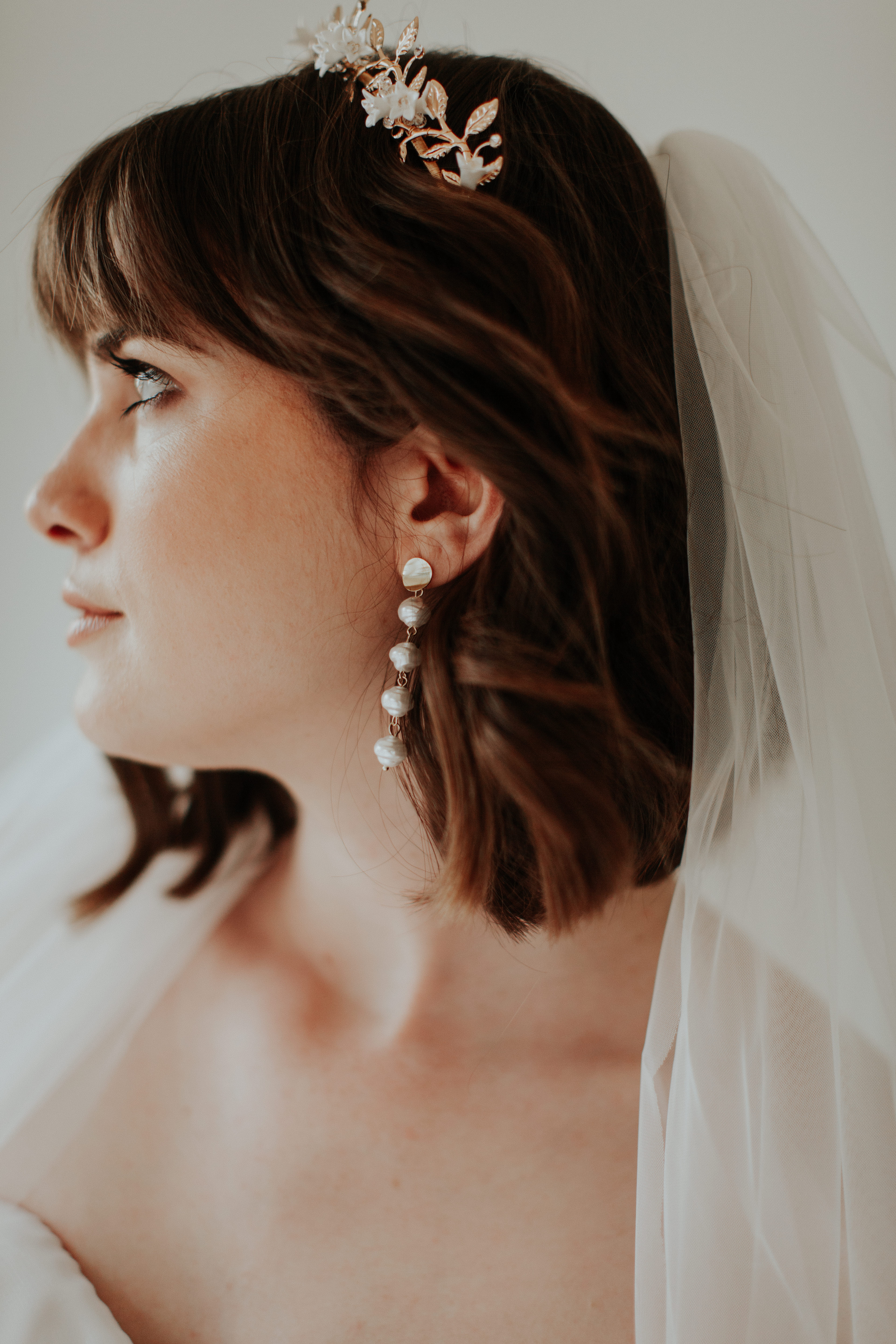
Your aesthetic choice determines whether you go for something simple or something highly ornate. It is helpful to consider the "wedding cake" style—a term sometimes used for rich, layered looks—much like the Wedding Cake strain known for its layered profile. Finding your aesthetic is about personal comfort.
The timeless mantilla veil
Mantilla veils are defined by their beautiful lace edging and, typically, they are worn closer to the face for a soft, traditional look. They drape over the head, framing your features in a way that feels incredibly romantic. These pieces are inherently formal and pair beautifully with lace-heavy gowns.
Cascading and tiered veils for volume
Tiered styles offer a bit of extra volume by layering fabric from the comb downward. These are great for adding a soft, textured appearance without requiring heavy embroidery. They offer a playful, full-bodied look that catches the light beautifully when you move.
Modern drop veils for a clean look
If you prefer minimalism, the drop veil is a stunning, clean choice. It lacks gathers at the comb, meaning it lays flat and creates a smooth, ethereal effect around your head and shoulders. It is the perfect choice for the bride who wants a sophisticated, understated accessory.
Embellished veils for a touch of glamour
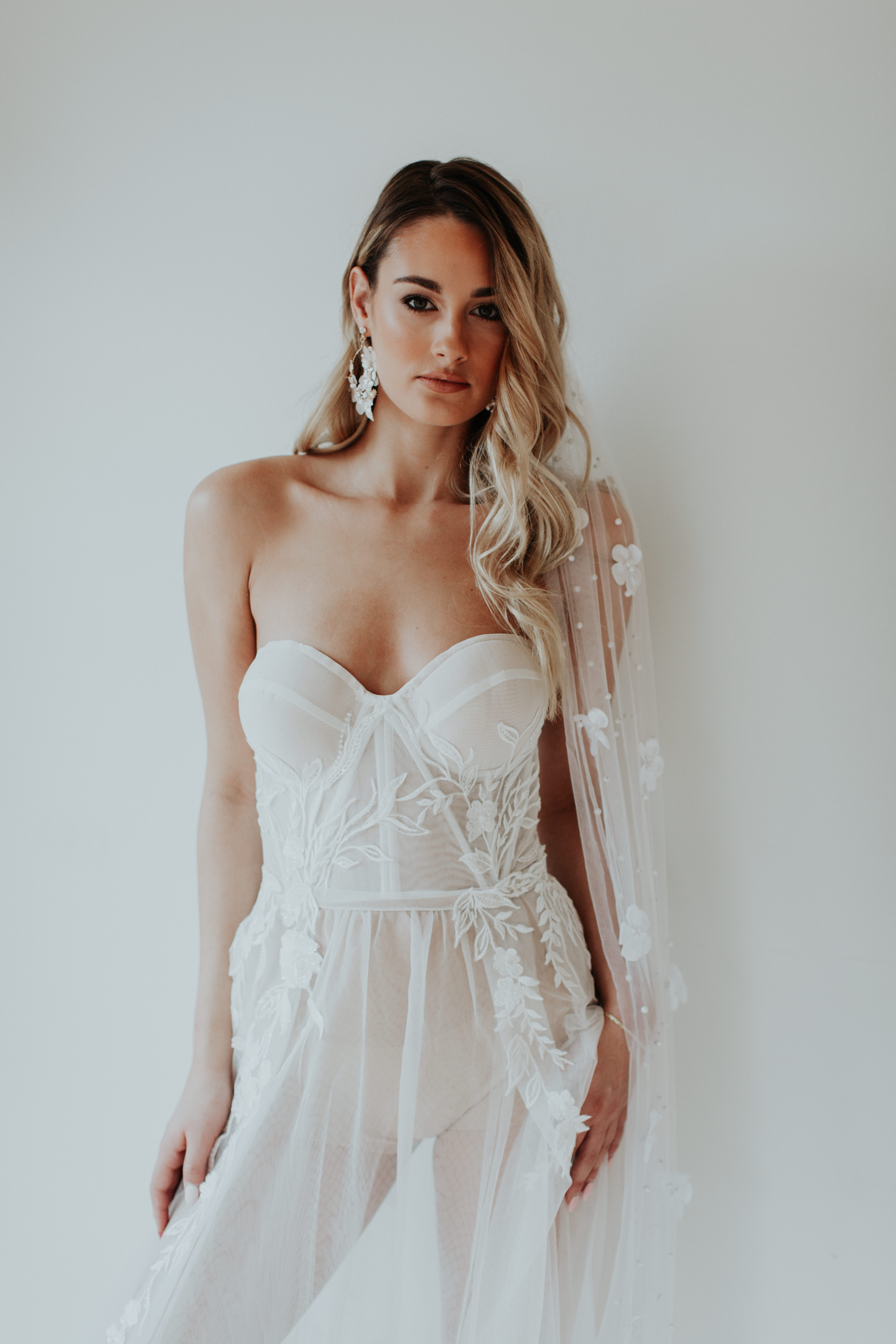
If your dress is fairly simple, an embellished veil is a great way to introduce sparkle or lace. Some feature delicate sprinkles of sequins or pearls that catch sunlight.
Matching your veil to your wedding dress
When weighing your options, think about how the veil interacts with the rest of your bridal ensemble. Balance is key to ensuring that every piece of your look supports your overall vision without cluttering the aesthetic.
Balancing a detailed bodice
If your dress has a heavily beaded or intricate corset, you might want to opt for a simpler, plain tulle veil. This allows the dress to be the focal point. Use Poppy Lane Bridal as a resource for finding pieces that provide the right amount of elegance without adding too much visual noise.
Complementing a minimalist silhouette
Minimalist crepe or satin gowns are incredibly versatile, acting as the perfect canvas for a statement veil. You can play with embroidery, lace borders, or even dramatic lengths here. These clean designs benefit from accessories that define your silhouette, much like how utilizing Vegas odds helps clarify game flow expectations.
How train length influences your veil choice
Your veil should ideally extend past your train, or be significantly different in length to create a layered effect. Aligning your train length with your veil is a classic styling trick that keeps your visual lines cohesive.
Coordinating with your neckline and hairstyle
Consider how your hair will be styled, whether up or down, as this changes where the veil sits. A clean, pulled-back style works well with ornate headpieces, but remember these factors:
- Ensure your veil weight is suitable for your hair length.
- Consider if the lace border will cover your neckline detail.
- Verify your veil color remains consistent with your dress shade.
It is all about the holistic finish, which also applies to The Perfect Base for Mature Skin when you are finalizing your wedding day beauty plan.
Fabric choices and edge details
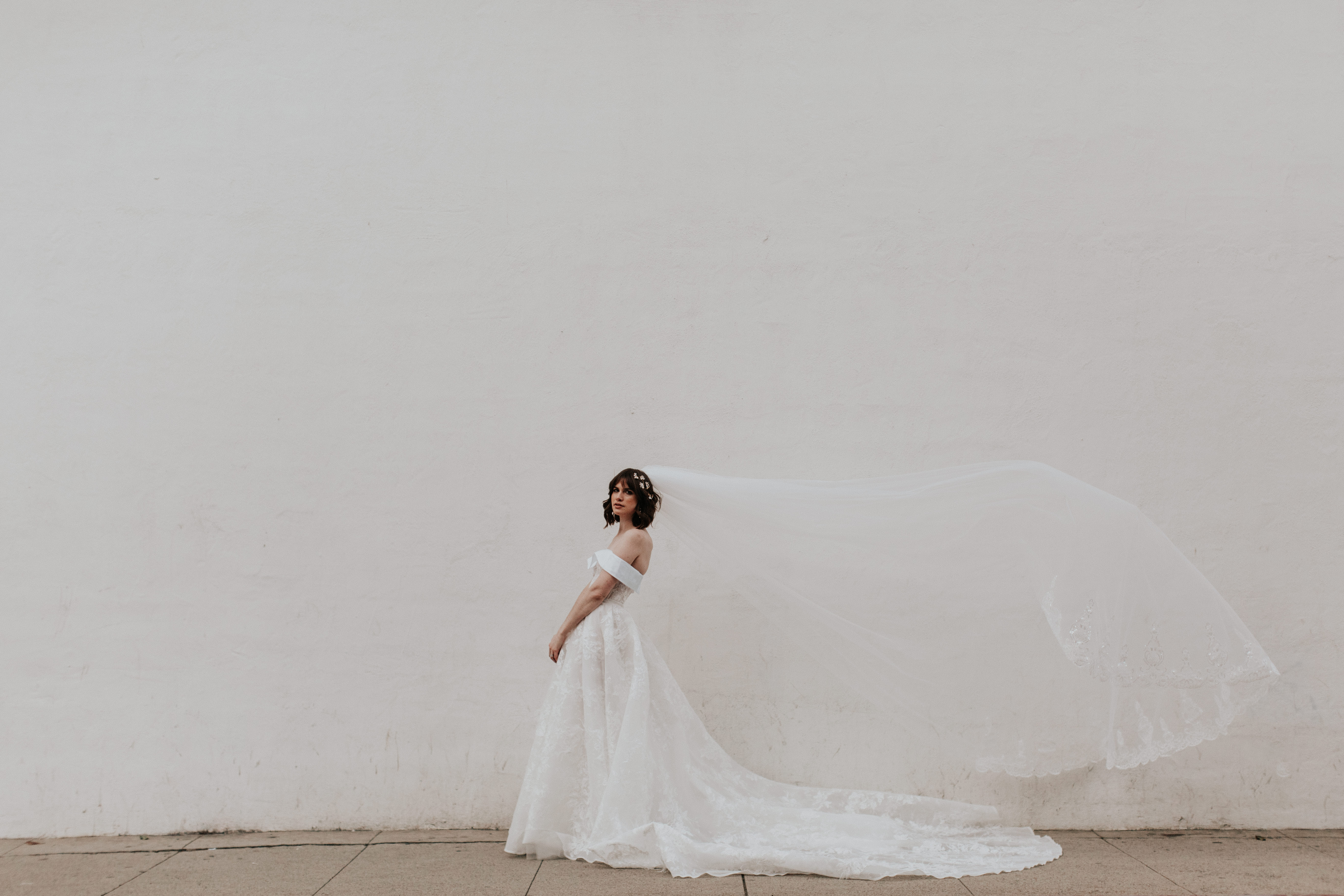
Quality matters when you are looking for that perfect drape. High-quality tulle, often referred to as illusion tulle, is lightweight and soft, ensuring the piece moves naturally with you. Poppy Lane Bridal focuses on providing these quality materials directly to ensure affordability.
Understanding tulle quality and weight
Not all tulle is created equal, and weight will determine how "puffy" or "flowy" your veil looks. A high-quality, lightweight tulle will drape gracefully, whereas cheaper, stiffer options might stand away from your body in a way that feels synthetic.
Adding drama with intricate lace borders
Lace borders are a stunning way to add depth to your bridal look. Whether it is a scalloped vintage lace or a modern floral edge, it creates a definite frame for your dress. This style is quite effective for creating a traditional "bridal" silhouette that photographs remarkably well.
Shimmering with subtle beads and sequins
Beading and sequins catch the light and add a modern, glamorous twist to standard tulle. Place them sparingly at the edge or scatter them throughout the fabric to achieve that luminous, glowing effect during an evening reception or outdoor ceremony.
Simple cut edges for a modern, airy feel
For the bride focused on a clean, modern aesthetic, a simple cut edge is the way to go. There is no heavy trim, meaning the veil has an airy, weightless quality that won't compete with any other accessories you decide to wear.
Practical tips for wearing your veil all day
Wearing a veil should feel effortless, not like a chore you have to manage. Most brides worry about how to keep it secured, but with the right placement and a little practice, you can wear your accessory with total confidence throughout the event.
Many brides find that a solid anchor point at the crown prevents the veil from pulling during the ceremony, allowing you to walk and move freely without a second thought.
Securing your veil for a comfortable fit
Use a reliable pin or a metal comb to secure the piece to your hair. Make sure your stylist tests this hold during your trial, as it keeps your look polished all through the vows and into the evening festivities. Getting the physics of the attachment right allows you to focus on the moment rather than your hair.
Managing weight and movement throughout the reception
Keep in mind that long veils can feel a bit heavy after a few hours of dancing. You do not necessarily need to wear the same piece all night, and planning a transition is a popular choice for brides seeking comfort.
Getting that perfect veil toss photo
If you want the classic "veil toss" shot, take the time to practice with your photographer during your portrait session. This helps identify the wind direction and ensures you and your partner are in the right position before the actual throw.
Knowing when to transition from ceremony to party
There is no shame in switching to a hair vine or a smaller accessory after the ceremony. It creates a fresh look for the reception and allows you to endurance training through your first dance with total ease and comfort.
Conclusion
Finding your perfect veil is a fun part of the journey, allowing you to express your style while settling into your unique vision. By choosing the right length, fabric, and placement, you can feel confident and radiant as you walk down the aisle. Whether you prefer a bold cathedral statement or a minimalist birdcage, enjoy the process and pick the accessory that makes you feel most like yourself.
Frequently Asked Questions
Should the veil be longer than the train of my dress?
It is generally recommended that your veil is at least 20 to 30 centimeters longer than your train to create a beautiful, cohesive line, but you have the flexibility to go shorter or longer depending on your preferred style.
Can I wear a veil with a short wedding dress?
Yes, short wedding dresses pair beautifully with a variety of veil lengths, including birdcage or elbow-length veils; these choices complement the shorter silhouette without overwhelming the fabric or the overall proportion of the dress.
How do I match the veil color to my wedding dress?
Colors are often listed by name such as ivory or white, but these vary widely by manufacturer. It is best to obtain color swatches of the veil and compare them directly against your dress fabric under natural lighting.
What is a blusher veil?
A blusher is a short layer of tulle from your veil that is worn over the face during the walk down the aisle and is typically lifted by the bride or her partner once she reaches the altar.
How can I make my veil feel more secure?
Securing your veil involves pinning the comb into a structured base like a braid or an updo. Many stylists recommend using a few bobby pins that match your hair color to reinforce the attachment point, ensuring it holds firm even with movement.
Is it okay to remove the veil after the ceremony?
It is very common for brides to remove their veil after the ceremony or portrait session. Many brides switch to a hair clip, a flower crown, or just their styled hair for the reception, which offers more freedom of movement on the dance floor.
Should I choose a one-tier or two-tier veil?
A one-tier veil is a single piece of fabric creating a minimalist, flowy effect, whereas a two-tier veil includes an extra layer, usually the blusher, providing more volume and a classic sense of tradition to the bridal look. Complete your bridal look by exploring options that fit your vision perfectly.