
Bridal Sash vs. Belt: What's the Difference?
Key Takeaways
Choosing between these two accessories comes down to the look you want to achieve and how you want your gown to sit. Here are the main points to consider for your big day.
- Sashes offer a soft, romantic feel with adjustable ribbon ties.
- Belts provide a structured, jewelry-like finish with fixed clasps.
- Material choice dictates how each piece interacts with your gown.
- Proper placement is essential to highlight your natural waistline.
- Both accessories can be repurposed for outfits well after your celebration.
The scoop on bridal sashes
When we talk about accessories that add a touch of movement, sashes are often the first thing that come to mind. They bring a level of whimsy and elegance that feels effortless against almost any dress silhouette.
What defines a classic sash
A classic sash is primarily defined by its long, soft ribbon ends that are meant to be tied into a bow or knot. Unlike a rigid accessory, a sash acts more like an extension of your dress, blending seamlessly into the fabric while adding a delicate touch of texture to your midsection.
The charm of ribbon and lace materials
These pieces often utilize luxury ribbons like organza or satin, sometimes layered with lace or delicate beading. The softness of these materials ensures they move with you, creating a beautiful flow that feels less like added gear and more like a intentional part of your gown.
Why they are the go-to for a romantic, soft look
If your vision is all about softness and grace, a sash is your best friend. They lack the harsh lines of heavy hardware, allowing them to complement ethereal, bohemian, or minimalist gowns without feeling like they are competing for attention.
Understanding what makes a bridal belt
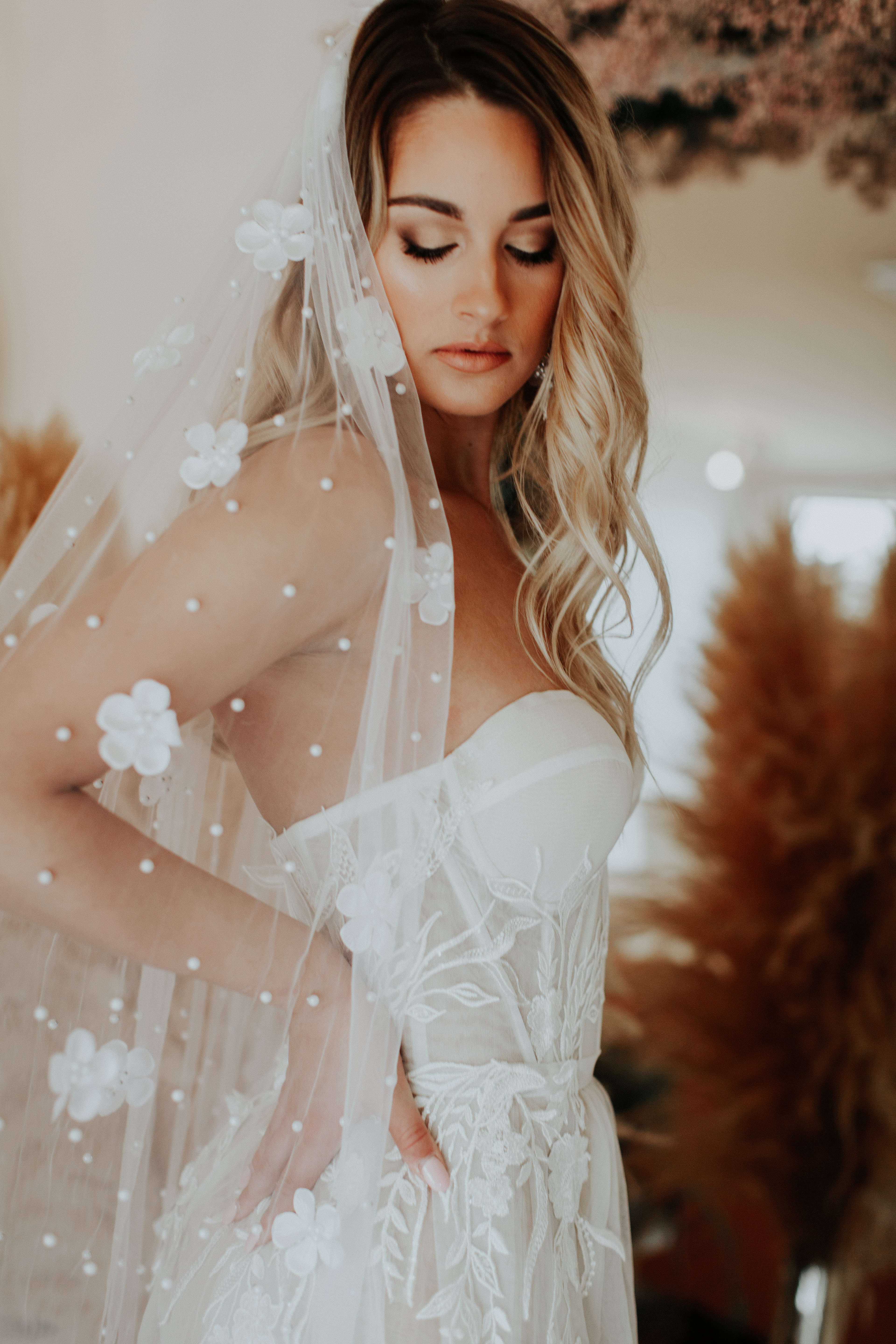
Bridal belts represent a shift toward structured, deliberate styling that acts as a focal point. They are the perfect way to transform a simple gown into something truly show-stopping by adding just the right glimmer.
Recognizing structured and rigid designs
Unlike their fabric-only counterparts, belts are typically built on a firm base, often incorporating metal settings for crystals, pearls, or beads. This rigidity means the design holds its shape perfectly whether you are standing, sitting, or dancing the night away.
How clasps and hooks differ from ties
A major benefit of choosing a belt is the specialized closure. Instead of dealing with long ribbons that might bunch up, these pieces often feature hidden hooks or snaps that provide a secure, clean finish to your ensemble.
Viewing your belt as a piece of statement jewelry
You should think of your belt as you would a statement necklace or shimmering earrings. Whether you are browsing affordable bridal belts, the goal is to choose a decorative piece that reflects your personal style and elevates your entire bridal look.
Structural differences you should know
.jpg)
Understanding the engineering behind these pieces makes a huge difference in how they wear throughout the day. It is about balancing your comfort with the aesthetic impact of the accessory.
Fabric drape versus firm backing
Sashes rely on the fabric's natural drape to sit against your waist, whereas belts usually have a reinforced backing. This backing is vital for maintaining the design's alignment, especially when heavy embellishments like rhinestones are involved.
The best accessory is one that you do not have to think about once the music starts, as its weight and construction should feel perfectly harmonized with the fabric of your gown.
This structural integrity ensures that your bridal sash vs belt choice works for your specific silhouette without causing unwanted friction or sagging.
Why sashes are easier to adjust on the fly
Because they rely on a simple tie, sashes offer a level of flexibility that is hard to beat for quick adjustments. If you need to loosen or tighten your fit as the day progresses, it takes minimal effort without requiring help from a bridal assistant.
The importance of secure closures for different silhouettes
For ballgowns or dresses with high-volume skirts, a belt with a secure clasp keeps the accessory firmly in place. You want to make sure your waist accent stays exactly where it was placed during your final fitting.
Matching your accessory to your dress
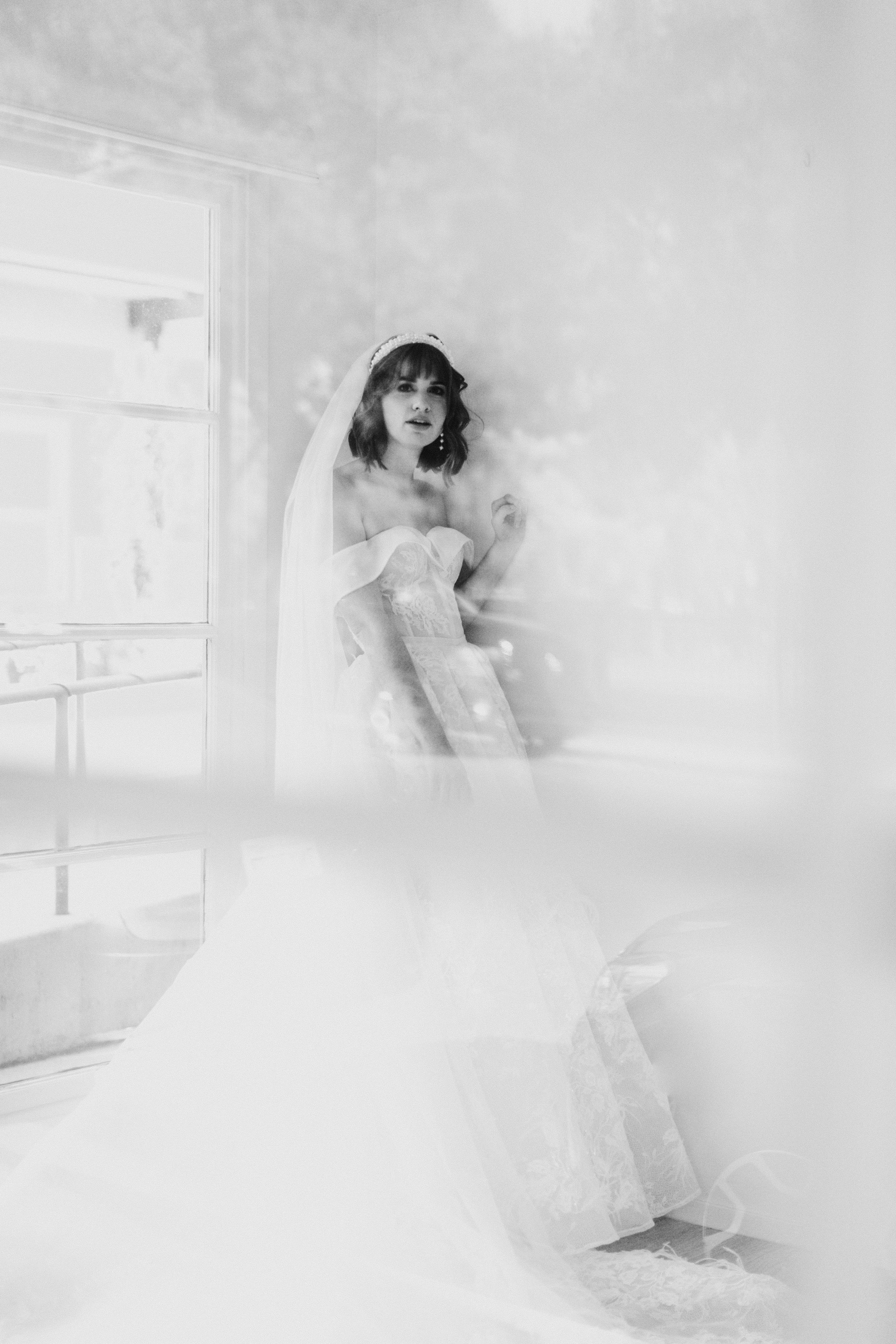
Finding the right match is all about proportion and material harmony. You want an accessory that highlights your waist rather than overwhelming the intentional details of your gown.
Choosing a sash for flowy and bohemian styles
For lightweight chiffon or sheer fabrics, a soft sash is almost always preferred to avoid dragging down the delicate material. It maintains that light-as-air feel that defines a bohemian aesthetic.
Pairing belts with structured crepe or satin gowns
Structured fabrics like heavy crepe or satin can handle the weight of a statement crystal belt with ease. These gowns provide a sleek, polished canvas that truly allows a beaded or crystal-encrusted accessory to shine.
Considering how heavy embellishments affect thin fabrics
Be mindful of how heavy your chosen embellishments are relative to the weight of your dress. A heavy piece on a very thin fabric can cause the dress to pucker, so finding a key waist accent that is lightweight is often the smartest move.
Pro tips for a flawless fit
Achieving that picture-perfect look is about more than just the piece itself; it is about how you style it to fit your unique frame.
Creating the perfect bow for back-tied sashes
When styling a ribbon sash, take the time to ensure your bow is symmetrical and crisp. Using a light press or fabric glue to keep the loops of the bow in place can prevent them from wilting as the day goes on.
Positioning a belt to highlight your natural waist
Your belt should sit at the narrowest part of your torso.
- Identify your natural waistline.
- Ensure the belt is centered properly.
- Verify the clasp or tie is hidden from view.
- Check that the fit is snug but comfortable for breathing.
Following these steps ensures that you achieve that desired hourglass look without sacrificing comfort.
Balancing the width of the accessory with your frame
If you have a petite frame, a thin belt often looks more intentional than a wide sash. Conversely, if you have a longer torso, a slightly wider design can help define your silhouette and create a beautiful focal point.
Getting the most out of your purchase
We want you to love your accessory long after the big day ends, so consider how these beautiful pieces can transition into your regular wardrobe.
Why these pieces are perfect for after-the-wedding outfits
You can easily pair a simple Poppy Lane Bridal belt with a solid-colored dress for a holiday party or a night out. It is a fantastic way to bring a subtle touch of bridal magic back into your daily style.
Protecting delicate fabrics during storage
Keep your accessory in a cool, dry place and try to store them lying flat or hung carefully to prevent distortion. A small garment bag or a soft pouch works wonders for keeping rhinestones and ribbon ties free from dust and snags.
Investing in a style that serves as a timeless keepsake
Choose pieces that reflect who you are rather than what is currently trending. A high-quality accessory is a wonderful heirloom that you can cherish and perhaps even re-wear for anniversaries or special events later on.
Conclusion
Whether you decide on a soft, trailing sash or a more rigid, sparkling belt, both choices offer a wonderful way to personalize your attire. The most successful choice is the one that makes you feel confident and comfortable, allowing you to focus on the joy of your ceremony rather than the details of your outfit.
Frequently Asked Questions
Can I wear a bridal belt if my dress already has a lot of beading?
Yes, absolutely, but you should look for a thin or minimalist belt. If your dress is heavily beaded, a super intricate belt might fight with the gown's pattern, so choosing something more understated can anchor the look without overwhelming the overall style.
What do I do if my dress is made of a very delicate fabric?
For very delicate fabrics like charmeuse or silk, opt for a soft, lightweight sash. If you really want the sparkle of a belt, ensure that it is lined correctly and is not heavy enough to cause sagging or texture issues in the delicate material of your gown.
Does the shade of the sash ribbon need to match my dress perfectly?
While matching is safe, you can also consider complementary tones. For an ivory dress, a soft champagne, pale blush, or even a metallic-toned ribbon can add a layer of depth, provided the hues look harmonious when held against the fabric.
Is it possible to wear both a sash and a belt at once?
It is rarely recommended to wear both, as the overlapping materials can cause bulk around your midsection. It is usually best to pick one statement piece that aligns with the look you are trying to cultivate rather than layering multiple accessories.
How narrow should my belt be for a balanced look?
Width is personal preference, but generally, one to two inches is a versatile starting point. If you find something that feels comfortable and aligns with the scale of your gown's neckline and decorative elements, then you have likely found the right fit.
Can I replace the ribbon on a sash with something else?
Yes, many brides customize their sashes by swapping the ribbon for something that better matches their wedding color theme or fabric preference. Just ensure that the replacement ribbon is secure and strong enough to support the weight of the sash's centerpiece.
How do I prevent a belt from sliding down during the reception?
To prevent the belt from shifting, you can use subtle dress tape or have a tailor place tiny thread loops at your side seams. This keeps the accessory perfectly positioned so you can enjoy your evening without needing to adjust your look.