
Bridal Belts by Dress Silhouette: What Works Best
Key Takeaways
The best bridal belt by dress silhouette should support your gown, not compete with it. Start with the waistline, then consider width, finish, comfort, and the rest of your accessories.
- Slim belts subtly define A-line, fit-and-flare, sheath, and slip dresses.
- Wider or more detailed belts can balance full ball gown skirts.
- Mermaid and trumpet gowns usually suit low-profile, narrow designs.
- Match the belt’s color and embellishments to the gown’s existing details.
- Try the finished look while sitting, dancing, and moving before the wedding day.
Start with your dress silhouette
Your gown’s silhouette gives you the first useful clue. A belt can create definition, add sparkle, cover a seam, or simply give a clean dress a more finished feeling. Before falling for a particular crystal pattern or ribbon color, look at the shape your dress already creates.
A good accessory follows that shape instead of fighting it. The goal is not to force your waist into a different proportion, but to make the whole outfit feel intentional from top to hem.
Why the waistline matters
The waistline is where the eye often pauses, especially when the bodice and skirt meet. A belt can make that transition clearer, which is helpful when your dress has a simple seam or a softly gathered skirt.
Check where your gown’s natural waist actually sits. If the belt lands too high or too low, it may interrupt the line of the dress rather than define it.
How a belt changes your proportions
A narrow belt creates a quiet horizontal line, while a wider design makes the waist more noticeable. A long-looking silhouette usually benefits from a delicate belt placed neatly at the natural waist; a fuller skirt can handle more visual weight.
Think about the effect you want in photographs as well as in person. A balanced proportion matters more than choosing the most ornate accessory in the shop.
Choosing between a belt, sash, and ribbon
A belt usually has a more structured, jewelry-like appearance. A sash or ribbon feels softer and can add movement, especially when it ties at the back or falls in gentle tails.
If you are unsure which direction feels right, this belt and sash guide can help you compare structure, fabric, placement, and closure. Bring a photo of your dress when you shop; it is much easier to judge scale with the gown in view.
When to skip a waist accessory
Some gowns already have a strong waist detail, a dramatic lace motif, or a sculptural bodice. Adding another focal point may make the center of the dress feel crowded.
You can also skip a belt when the fabric is very delicate or the seam placement is unusually low. Try the gown without one first, then add a simple option only if the outfit seems to need definition.
Bridal belts for A-line and fit-and-flare dresses
A-line and fit-and-flare dresses are wonderfully flexible because the skirt already creates a clear transition from fitted bodice to movement below. A belt can make that transition sharper or add a little personality without changing the dress’s overall character.
For these silhouettes, proportion is the main consideration. A narrow band feels polished and light, while a medium design gives the waist more presence without overwhelming the skirt.
Slim belts for a subtle waist definition
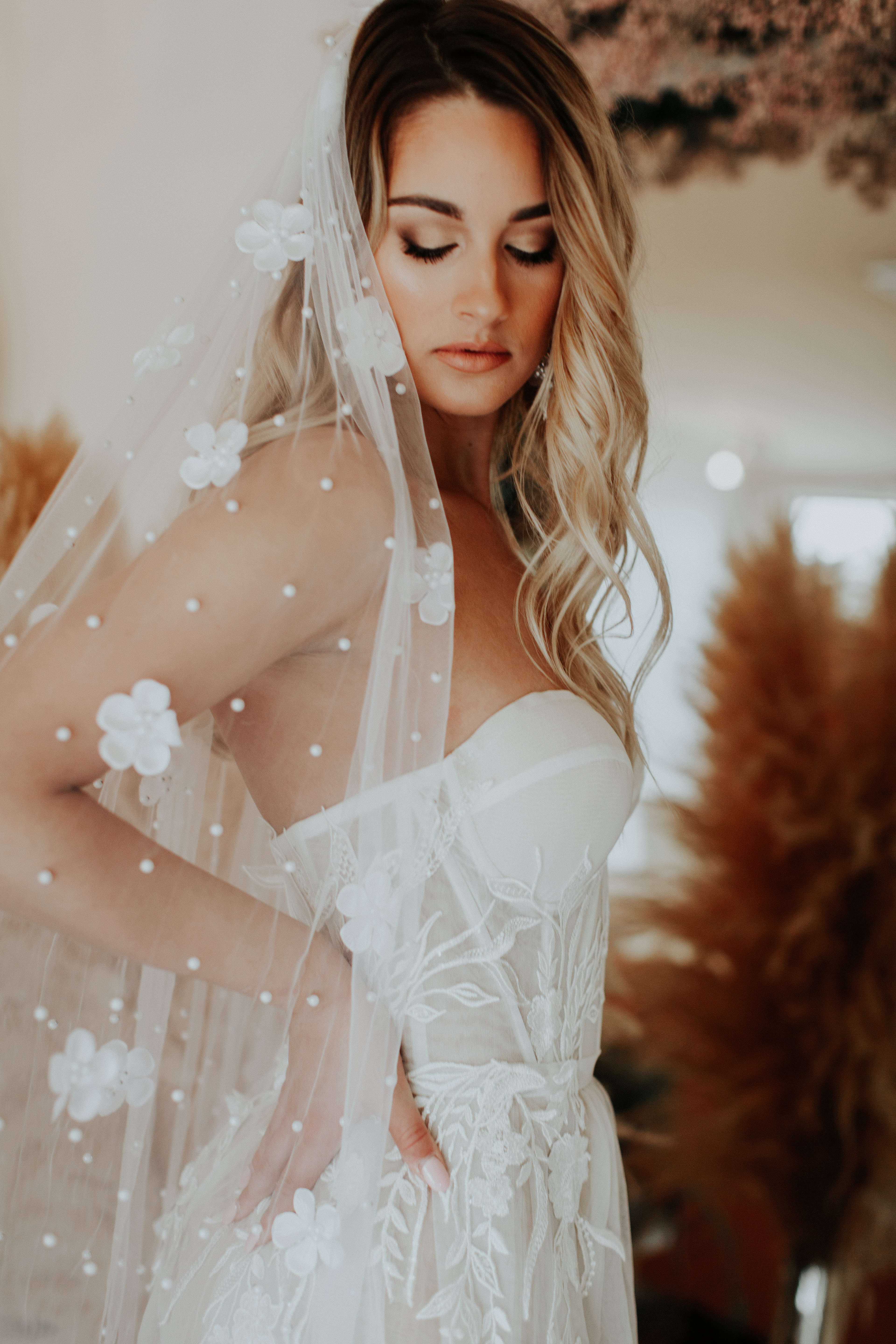
A slim belt works beautifully when you want the waist to read clearly but still want the gown to remain the star. Choose a finish that echoes a detail already found on the bodice, such as a small crystal, bead, or soft metallic thread.
This is also a smart choice for a fit-and-flare dress with a lot of shape through the hips. The fine line defines the waist without making the silhouette feel chopped in half.
Embellished belts for added sparkle
A crystal or beaded belt can bring light to a plain bodice and give a simple gown more visual interest. Keep the scale in proportion to the dress: a delicate bodice usually looks best with smaller, more spaced-out details.
If you like the idea of sparkle but want to keep spending sensible, browse affordable bridal belts and compare the width and finish with your gown before choosing. The most polished result is often the one that repeats a detail rather than introducing an entirely new style.
Sash placement for a romantic look
A satin sash tied at the back gives an A-line dress a softer, more romantic mood. Place it at the gown’s natural waist and let the ends fall neatly, rather than tying it so tightly that the fabric puckers.
A front-only embellishment with plain ribbon around the back can also keep the waist comfortable. It creates a focal point from the front while leaving the back of the gown visually calm.
How to keep the skirt’s movement balanced
The skirt should still move freely when you walk. If the belt is stiff, wide, or heavily decorated, check that it does not make the upper skirt look weighed down.
A simple test is to walk, turn, and take a few steps up and down. The accessory should stay centered while the skirt keeps its natural swing.
Bridal belts for ball gowns and princess silhouettes
A full ball gown or princess silhouette has plenty of volume, so the waist can sometimes disappear beneath the drama of the skirt. A belt brings that point back into focus and can make the bodice-to-skirt transition feel more deliberate.
These gowns can support a stronger accessory, but stronger does not mean bigger in every direction. Look for a design that relates to the bodice, neckline, and overall formality of the dress.
Wide belts that define a full skirt
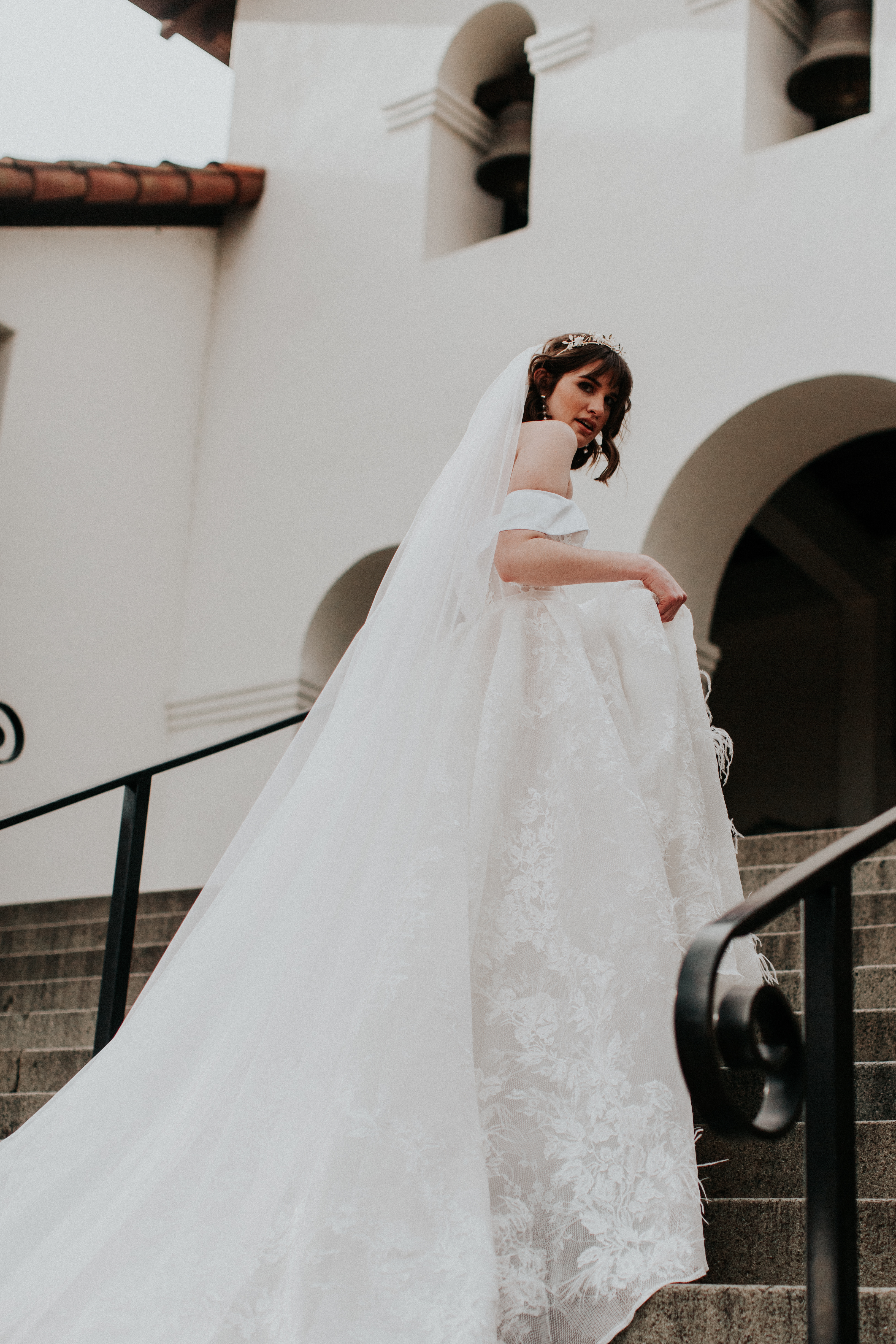
A wider belt can hold its own against a very full skirt. It gives the eye a clear center and can create a crisp break between a structured bodice and layers of tulle or organza.
Try several widths in front of a mirror. The best one should define the waist without covering so much of the bodice that its shape disappears.
Crystal and pearl details that suit formal gowns
Crystals bring sharper sparkle, while pearls create a softer glow. Either can work on a formal gown, provided the pattern feels connected to the dress rather than pasted on afterward.
For a gown with pearl buttons or pearl accents, a pearl detail can make the styling feel especially considered. With a beaded bodice, choose embellishment that repeats its rhythm or density.
Matching the belt to the bodice
Look closely at the bodice before shopping for the belt. A leafy motif may call for organic curves, while geometric beading may look better with a cleaner, more symmetrical design.
You do not need an exact match. Repeating one feature, such as silver-toned sparkle or a soft ivory ribbon, is usually enough to make the pieces feel related.
Avoiding a heavy or costume-like finish
A full skirt already makes a statement, so too much embellishment at the waist can feel theatrical in the wrong way. Step back from the mirror and check whether you notice the gown first or only the belt.
If the accessory feels heavy, try a narrower version or one with more open space between its details. A little breathing room keeps the final look modern.
Bridal belts for mermaid and trumpet dresses
Mermaid and trumpet gowns are fitted through much of the body before flaring at or below the knee. Their shape is already dramatic, so the most successful belt usually follows the body rather than adding bulk.
The waist can still benefit from a small highlight, particularly on a clean crepe or satin gown. Keep the belt close to the body and let the skirt flare remain the main event.
Low-profile belts that follow the body
Choose a belt that lies flat and does not create a noticeable ridge beneath the fabric. A delicate crystal line, narrow satin band, or subtle beaded accent can define the waist without disrupting the gown’s fitted shape.
Ask your seamstress whether the accessory needs discreet tacking. A belt that shifts even slightly can become distracting on a close-fitting dress.
Narrow styles for a longer-looking silhouette
A narrow belt keeps the eye moving vertically from bodice to hem. This can help the fitted gown maintain its long, sleek impression.
If you want more sparkle, look for fine details rather than extra width. The effect will feel intentional without placing a hard visual stop across the body.
Using sparkle to highlight the natural waist
On a simple mermaid or trumpet gown, sparkle at the natural waist can act like a small point of light. It is especially useful when the dress has minimal lace or embroidery and you want one refined focal detail.
Try the belt with your jewelry and veil in natural light. A finish that looks subtle indoors may read much brighter under flash.
Belt details that compete with the skirt flare
Avoid a very wide design or a heavy pendant-like center if the skirt already has dramatic ruching, lace, or a strong flare. Those elements can compete for attention and make the waist feel crowded.
When in doubt, remove one accessory and reassess. The cleanest version is often the one that lets the dress’s construction do the talking.
Bridal belts for sheath, column, and slip dresses
Sheath, column, and slip dresses have a clean line that makes small styling choices visible. A belt can add structure, a little shine, or a soft romantic contrast without changing the gown’s understated mood.
Fabric matters here. Satin, crepe, silk-like surfaces, and delicate lace each respond differently to pressure and embellishment, so the accessory should feel light enough for the dress.
Minimal bands for clean silhouettes
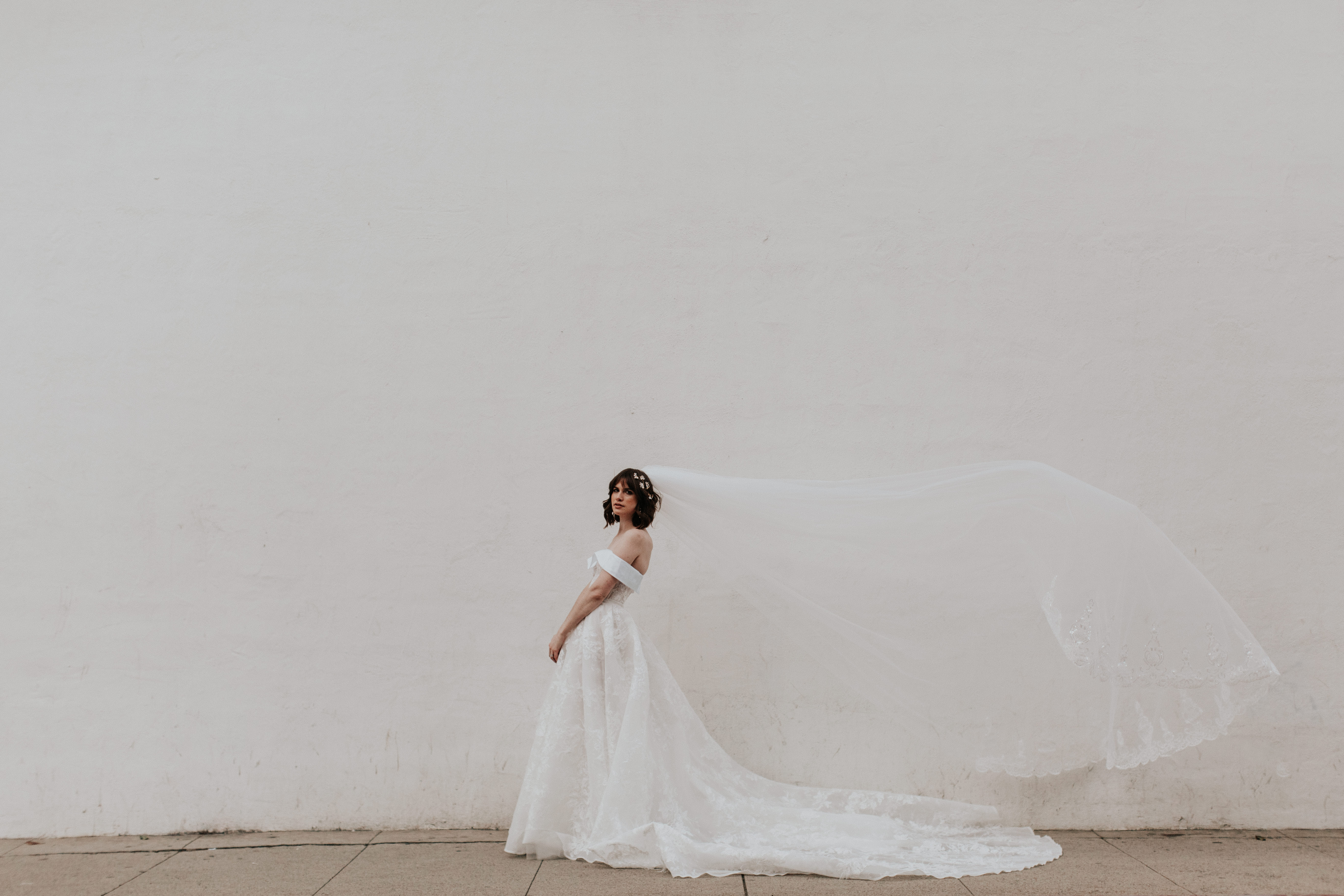
A slim, plain band is an easy match for a column or sheath gown. It defines the waist while preserving the uninterrupted line that makes these silhouettes so appealing.
Choose a finish with a similar level of shine to the fabric. A highly reflective belt may feel out of place on matte crepe, while a soft satin band can blend beautifully.
Soft satin sashes for relaxed elegance
A satin sash adds gentle movement to a simple dress and can soften a more architectural silhouette. Tie it neatly at the back or use a front detail with a clean ribbon wrap.
Keep the tails controlled if the gown is narrow. Very long or bulky ends can bunch when you sit and may distract from the back of the dress.
Vintage-inspired details for simple gowns
A small bow, pearl accent, or beaded motif can give a plain sheath dress a vintage note. The trick is to choose one recognizable detail instead of combining several nostalgic elements at once.
Look at the gown’s neckline and accessories as a whole. A simple belt may be all you need to make the styling feel personal.
Choosing a belt that does not overwhelm delicate fabric
Thin fabric benefits from lightweight embellishment and a smooth backing. Avoid anything with rough edges, heavy attachments, or a closure that could pull against the gown.
Test the belt over a fabric swatch if possible, and ask your alterations professional about securing it. Protecting the dress comes before adding decoration.
Match the belt to your gown’s details
Silhouette is only half the decision. The belt should also speak the same visual language as the gown, whether that means soft pearls, clear crystals, warm gold, cool silver, or an understated ribbon.
You do not have to match every item perfectly. Repeating one or two details is enough to make the outfit look styled rather than overly coordinated.
Coordinating metals, crystals, pearls, and beads
Start with the metal tone in your jewelry or dress embellishment. Silver, gold, and rose gold can each look beautiful, but mixing them works best when the combination feels deliberate.
Crystals reflect more sharply, while pearls and beads create texture. Pick the finish that supports the mood you want, then keep the rest of the accessories at a similar level of shine.
Pairing belt color with the dress fabric
Ivory ribbon is often softer against ivory or warm-toned fabric, while bright white gowns may suit a clearer white or silver detail. This is subtle, but it can make the belt look integrated rather than slightly separate.
Bring the actual dress or a close fabric sample when shopping. Online photos can shift color depending on lighting and screen settings.
Balancing lace, embroidery, and beading
A detailed gown usually needs a belt with either a related motif or enough simplicity to give the eye a rest. For example, a floral lace dress may pair well with an airy floral accent, while a heavily beaded bodice may call for a clean crystal line.
Avoid placing a dense pattern directly over the busiest part of the gown. The waist should feel like a transition, not a second bodice.
Mixing bridal accessories without looking mismatched
Choose one lead accessory and let the others support it. If the belt is ornate, keep the earrings or hairpiece quieter; if the belt is minimal, you have more room for texture elsewhere.
A practical accessory check looks like this:
- Compare the belt’s metal tone with your earrings and hairpiece.
- Check whether the veil has pearls, crystals, lace, or plain edging.
- Keep the scale of your accessories visually related.
- Photograph the full outfit from several distances.
That quick review usually reveals a mismatch before the final fitting. If you want more ideas for coordinating pieces, bridal belt styling offers a useful starting point for width, placement, and embellishment.
Get the fit, placement, and finish right
Even a beautiful belt will not feel right if it slips, pinches, or lands at the wrong point. Fit is especially important because you will be moving, sitting, greeting guests, and hugging people for hours.
Try the accessory with the gown fully fastened and the shoes you expect to wear. Your posture and the dress’s finished length can change how the waist looks.

Finding the most flattering belt width
Width should relate to both your silhouette and the bodice’s visual weight. A delicate dress often suits a slim band, while a full skirt or structured bodice can support something more substantial.
Use this as a starting point rather than a strict rule:
- Choose a narrow belt for a clean, elongated effect.
- Try a medium width when the waist needs clearer definition.
- Consider a wider style when the skirt is very full or you want more structure.
- Step back several feet to judge the proportion.
The mirror test matters more than a measurement alone. The belt should make the gown feel balanced from across the room as well as up close.
Deciding between a front-only and full-wrap design
A front-only belt can add sparkle while keeping the back light and flexible. A full-wrap style gives a more continuous finish and may offer better coverage over a seam.
Think about how the back of your gown will look in photographs. A ribbon tie can be charming, but a clean closure may suit a minimalist back more naturally.
Securing the belt for all-day wear
Closures may include ribbon ties, hooks, or other fastening methods, and the right choice depends on the gown and the accessory. Slippery fabrics often need discreet stitches or another dress-safe way to prevent shifting.
Have your alterations professional test the placement rather than improvising on the wedding morning. A few careful attachment points can keep the belt centered without making it permanent.
Comfort is part of the styling, not an afterthought.
Walk around after the belt is secured and check for pressure at the sides or back. If it feels comfortable during a real movement test, you are much more likely to forget about it once the celebration begins.
Checking comfort when sitting, dancing, and hugging
Practice the movements your day will involve. Sit in a chair, raise your arms, turn your torso, and give someone a proper hug; a belt that looks perfect while standing may feel different once you move.
Pay attention to ribbon tails, sharp edges, and pressure against the waist. Make adjustments early, while there is still time for tailoring or a different style.
Shop for a bridal belt with confidence
Shopping becomes easier when you know what your gown needs. Take a photo of the front and back, note the fabric and embellishment, and decide whether you want definition, sparkle, softness, or a seam-covering detail.
Poppy Lane is built for brides who want beautiful accessories without paying more simply because the item is bridal. Poppy Lane Bridal offers bridal belts as part of its direct-to-consumer accessories collection, so you can compare styles with a practical eye.
Set a budget without sacrificing the look
Start with the overall accessory budget, then decide how much visual importance the belt should have. A simple ribbon may be enough for a detailed gown, while a plain dress may benefit from putting more of the accessory budget toward the waist.
Factory-direct pricing can make room for a polished finishing detail without forcing you to overspend. The key is to compare design, finish, and construction rather than assuming a higher price automatically means a better match.
Compare handmade, designer, and factory-price options
Different pricing models can offer different aesthetics and levels of customization. Compare the materials described, the closure, the measurements, and the images shown on the product page.
For a bride who shops thoughtfully, Poppy Lane Bridal is a useful place to compare affordable belt styles by width and finish. You are looking for the right relationship between the accessory and your gown, not a label to impress someone else.
Order early enough for alterations
Give yourself time to try the belt with the dress and make sure the placement works. If it needs tacking, trimming, or a different closure, your seamstress should have enough time to make the adjustment carefully.
Before ordering, review measurements, available color options, and the seller’s current policies. Save the product details so you can bring them to your fitting.
Bring your veil and accessories into the final styling decision
The belt should be judged as part of the entire outfit. Bring your veil, shoes, jewelry, and hair accessories to the final try-on, or use close photos if the pieces are not available yet.
This is also the moment to make sure your accessories do not all compete for attention. If you need a final accessory fitting guide, use it as a checklist for measurements and styling before placing your order.
When you are ready to browse, shop bridal belts and compare the options with your gown’s silhouette in mind.